No items found.

We Accept Gap Only* & Pet Insurance:

Dog
Cat
Rabbit
Guinea Pigs
Ferrets
Health Checks
Vaccinations
Microchipping
Desexing your Pet
Heartworm Prevention
Surgery and Medical Operations
Dental Care
Pre-Anaesthetic Blood Tests
Pre-Operative Instructions
Care Tips 2
Care Tips 1
Reset All
Pet Microchipping in Sydney South: Guide for Pet Owners

October 3, 2026

Pet Microchipping in Sydney South: Guide for Pet Owners

What good is a microchip if it can’t help someone get your pet home? If you’re searching for “pet microchipping Sydney south”, you may be wondering what the procedure involves and whether your pet will find it upsetting. Those are understandable concerns. Knowing what to expect can make the decision...
No items found.
No items found.
No items found.

What good is a microchip if it can’t help someone get your pet home? If you’re searching for “pet microchipping Sydney south”, you may be wondering what the procedure involves and whether your pet will find it upsetting. Those are understandable concerns. Knowing what to expect can make the decision feel more straightforward.

This guide explains how microchipping works, what NSW requirements mean for your pet, and why keeping contact details current matters as much as the implant. In NSW, cats and dogs must be microchipped by 12 weeks of age or before they’re sold or given away, whichever comes first. The chip provides a unique identification number, but you’ll also need to register it and update your details if they change.

We’ll walk through the procedure and the steps that help identification work when it’s needed. Peakhurst Veterinary Clinic and Small Animal Hospital provides microchipping as part of preventive veterinary care, with clear explanations to help you feel prepared.

Key Takeaways

• See what to expect during a microchipping appointment, from the initial check to guidance on next steps.

• Understand how a permanent microchip differs from a collar tag or GPS tracker, and why visible identification can still be useful.

• Learn how to keep your pet’s microchip record connected to current contact details through the NSW Pet Registry.

• For pet microchipping Sydney south, find out how Peakhurst Veterinary Clinic can support you with clear explanations and veterinary care.

• Discover how microchipping fits into your pet’s ongoing preventive care.

Pet microchipping in Sydney South: what the procedure does for your pet

The thought of a much-loved pet slipping away can be upsetting. A microchip gives your dog or cat a permanent form of identification, and understanding how it works can make the subject feel less daunting. If you’re considering pet microchipping Sydney south, the key point is that the chip can help link a found pet back to you, provided its number is connected to current contact details.

A microchip is a permanent identification device that stores a unique number. A scanner reads the number so it can be used to look up the pet’s registered owner details. The chip identifies your pet, but it doesn’t track their live location. For a general overview of how pet microchipping works, you can read more about the technology and implantation process.

What information does a pet microchip provide?

The scanner reads the chip’s unique identification number. It doesn’t display your name, address or phone number directly. Instead, the number is used to find the associated registry record, where your contact details can help someone who has found your pet reach you.

The implant and the registry record work together. If you move house or change your phone number, update the details linked to the microchip number. Out-of-date contact information can make it harder for someone to get in touch with you.

Which pets benefit from microchipping?

Dogs and cats can benefit from permanent identification, including indoor pets. A door left open, a damaged fence or an unexpected fright can give a pet a chance to get outside. If they’re found, a microchip can help connect them with their registered owner.

In NSW, cats and dogs must be microchipped by 12 weeks of age or before they’re sold or given away, whichever happens first. The chip supports identification and reunification, but it can’t guarantee that a lost pet will be found or returned. Keeping registry details current helps make the identification useful if your pet is separated from you.

How pet microchipping works at a Sydney south veterinary clinic

Knowing the steps can help you feel more prepared before booking. At Peakhurst Veterinary Clinic, the veterinary team provides microchipping as part of preventive care and explains the procedure and what happens with your pet’s identification record. If your pet is nervous at the clinic, let the team know so they can take that into account during the visit.

A typical appointment includes an initial assessment and explanation, microchip implantation, and guidance on recording the chip number and keeping owner details up to date. The team will talk you through each step so you know what to expect.

What happens during the microchipping appointment?

The team will consider your pet and explain the procedure in plain language. They can answer questions and help you understand how the microchip number connects to the registry record. Your veterinary team will explain the clinical steps involved for your pet at the appointment.

Microchipping involves placing a small identification chip beneath the skin. Pets can respond differently to the experience, so it’s best not to assume they won’t notice it or promise that it won’t cause discomfort. A calm approach and clear explanation can help you and your pet feel more settled. The team will explain what to expect during and after the procedure, along with any guidance for your pet.

Can microchipping fit into routine veterinary care?

Yes, it’s a useful topic to raise during a broader preventive-care visit. If your pet is due for an annual health check or vaccinations, you can also discuss microchipping and questions about their identification record. Each service has its own purpose, but considering them together can make it easier to keep track of your pet’s care.

For more on what a routine check-up can cover, read our annual pet health checks guide. Owners looking for pet microchipping Sydney south can arrange care with the local veterinary team at Peakhurst Veterinary Clinic. Arrange pet microchipping in Peakhurst.

Microchip, collar tag or GPS tracker: what each option can and cannot do

These identification options serve different purposes. A microchip provides a permanent identification number, a collar tag makes contact details visible, and a GPS tracker can help show a pet’s location while the device is being used. Knowing the difference helps you decide how they can work together.

Option How it’s read or used What it can’t do
Microchip A compatible scanner reads its unique number, which can be used to look up the linked registry record. It doesn’t display contact details itself or show a pet’s live location.
Collar tag A person who finds your pet can read the contact details displayed on the tag. It can become detached, damaged or difficult to read.
GPS tracker A tracking device can provide location information while it’s being worn and functioning. Its use may depend on factors such as battery power and connectivity, and it doesn’t replace permanent identification.

Microchip versus collar identification tag

A collar tag gives someone who finds your pet a simple way to see how to reach you, without needing a scanner. A microchip works differently: a compatible scanner reads its number, and registry records connect that number with owner contact details. The tag is visible, while the chip is a permanent form of identification beneath the skin. Keeping both current, where practical, gives people more than one way to identify your pet.

Check that the phone number on the tag is readable and up to date. The contact details linked to the microchip need attention too, particularly after a move or phone-number change.

Microchip versus GPS tracker

A GPS tracker and a microchip aren’t interchangeable. The tracker is designed to help with location information; the microchip is designed to identify your pet if they’re found and scanned. A tracker needs to be worn and working, and depending on the device, may rely on power and a connection. A microchip won’t help you follow your pet’s movements in real time.

For pet microchipping Sydney south owners can think of the microchip and collar tag as complementary identification: one is permanent and scanned, the other is visible and readable. Neither method guarantees a safe reunion, but together they can give a finder useful ways to identify your pet and try to contact you.

Pet microchipping Sydney south

NSW pet microchipping requirements and registry updates for Sydney owners

In NSW, microchipping and registration are related but separate steps. A microchip gives your pet a unique identification number; registration records that number and your details with the NSW Pet Registry. Both matter. The chip alone doesn’t tell someone who finds your pet how to contact you.

What do NSW rules require for pet microchipping?

NSW requires cats and dogs to be microchipped by 12 weeks of age or before they’re sold or given away, whichever happens first. Microchipping meets the identification requirement, but it doesn’t replace registration. Owners also need to register their pet on the NSW Pet Registry and keep the information linked to the chip current.

Registration is a separate, one-time lifetime step. As requirements can change, use current NSW Government guidance for the latest instructions on registration and your responsibilities. Keeping the distinction clear can help you avoid assuming that having a chip means every registry step is complete.

How should owners update microchip details after moving?

Review your pet’s record through the NSW Pet Registry and follow its instructions to update the information. A new address, changed phone number or change of ownership can affect whether someone is able to reach the right person if the pet is found. Update the record promptly when details change, then check that the information is accurate.

A simple record-keeping checklist can help:

Microchip number

Keep it with your pet’s paperwork and make sure you can find it when needed.

Registry

Note that the chip is recorded on the NSW Pet Registry.

Contact details

Review your phone number and address, and update them when they change.

If you have questions about how the appointment and registry steps fit together, the Peakhurst Veterinary Clinic team can guide you through microchipping and the registration follow-through. For pet microchipping Sydney south owners can arrange care with a local veterinary team that understands the importance of clear records. Arrange pet microchipping in Peakhurst.

Book pet microchipping in Sydney south with Peakhurst Veterinary Clinic

Choosing a local clinic for your pet’s microchipping can make the next step feel more manageable. Peakhurst Veterinary Clinic and Small Animal Hospital provides microchipping as part of preventive veterinary care for pets in Peakhurst and across Sydney’s south. The independently operated clinic has served the community since 1972.

It’s natural to have questions, especially if your pet is young, unsettled or new to your family. The veterinary team can explain the procedure in clear language and help you understand the follow-through for your pet’s identification record. That way, you’ll be better prepared for the visit and for keeping the linked details up to date.

What should you have ready for your pet’s visit?

A little preparation can help the appointment run smoothly. Bring any existing microchip paperwork or adoption records you have, and have your current contact details ready for the registry record. If you’re unsure whether your pet has already been microchipped, those records can give the team useful context.

Before the procedure, let the veterinary team know about relevant health concerns or anything that may affect how your pet responds to handling. For example, mention if your pet becomes anxious around unfamiliar people or is uncomfortable being held. Sharing this information helps the team understand your pet’s needs and explain what to expect.

• Bring existing microchip paperwork or adoption records, if available.

• Have your current phone number and address ready.

• Share relevant health or handling concerns with the veterinary team.

Local microchipping care around Peakhurst

For pet microchipping Sydney south owners can turn to Peakhurst Veterinary Clinic for local veterinary care and clear guidance. The clinic serves pet owners in Peakhurst, Peakhurst Heights, Riverwood, Padstow Heights, Padstow, Mortdale, Lugarno, Narwee, Oatley, Revesby Heights, Penshurst, Beverly Hills, Alfords Point, Connells Point, Bonnet Bay, Oyster Bay, Como, Roselands, Hurstville Grove and Blakehurst. Microchipping is part of preventive care and an opportunity to discuss your pet’s identification alongside their broader wellbeing. The team can talk you through the procedure and explain registry steps, so you know what to do after the appointment.

Gather the records you have, make a note of any questions and take the next step when you’re ready. Arrange pet microchipping through the clinic website.

Take a reassuring next step for your pet

A microchip provides permanent identification, while current details on the NSW Pet Registry help connect that identification to you. It isn’t a GPS tracker, so a visible collar tag can offer another practical way for someone to reach you if your pet is found.

If you’re considering pet microchipping Sydney south, Peakhurst Veterinary Clinic and Small Animal Hospital provides this service as part of preventive veterinary care. The clinic serves Peakhurst and surrounding southern Sydney communities, and the veterinary team can explain the procedure and registry follow-through in clear terms.

When you’re ready, arrange pet microchipping with the Peakhurst team. Preparing your records and questions can help make the next step simpler.

Frequently Asked Questions

Is microchipping required for dogs and cats in NSW?

Yes. NSW requires cats and dogs to be microchipped by 12 weeks of age or before they’re sold or given away, whichever happens first. This is separate from registration: owners must also register their pet on the NSW Pet Registry. A chip alone doesn’t complete registration. Check current NSW Government guidance for the registration steps and any responsibilities that apply to your pet.

Does a pet microchip have GPS tracking?

No. A microchip provides a permanent identification number that can be read with a compatible scanner. It doesn’t show your pet’s live location or send tracking updates. If a lost pet is found and scanned, the number can be used to look up the associated registry record. A GPS tracker has a different purpose and may rely on power, connectivity and being worn by your pet.

Is microchipping painful for a dog or cat?

Your pet may feel brief discomfort during microchip implantation, and their response can vary. The veterinary team can explain what to expect and help keep the experience as calm as possible. Tell them beforehand if your pet is anxious about handling or has a relevant health concern. They can talk you through the procedure and any aftercare guidance for your individual pet.

How do I update my pet’s microchip details after moving?

Update the contact information linked to your pet’s microchip through the NSW Pet Registry, following its current instructions. Review the record if you move, change your phone number or transfer ownership, so the details remain useful if your pet is found. Keep the microchip number and registry information with important pet documents, such as adoption paperwork or veterinary records, for easy reference.

Can a puppy or kitten be microchipped during a vet visit?

Yes, microchipping can be discussed as part of a veterinary visit for a puppy or kitten. The vet can consider your young pet’s needs and explain the procedure and timing. In NSW, cats and dogs must be microchipped by 12 weeks of age or before they’re sold or given away, whichever comes first. You can also raise questions about the registry record during the visit.

What should I do if my lost pet has a microchip?

If your pet is missing, contact your local council and let nearby veterinary clinics and animal shelters know. Share a clear description and your pet’s microchip number if you have it, and check that your contact details on the NSW Pet Registry are current. A microchip helps identify a pet when scanned, but it doesn’t track their location or guarantee they’ll be found.

How much does pet microchipping cost in Sydney south?

Peakhurst Veterinary Clinic charges a fee for pet microchipping as part of its veterinary services. The clinic serves Peakhurst, Peakhurst Heights, Riverwood, Padstow Heights, Padstow, Mortdale, Lugarno, Narwee, Oatley, Revesby Heights, Penshurst, Beverly Hills, Alfords Point, Connells Point, Bonnet Bay, Oyster Bay, Como, Roselands, Hurstville Grove and Blakehurst. Arrange a microchipping appointment with the clinic.

Cat Vaccination in Sydney South: Choosing the Right Care

October 1, 2026

Cat Vaccination in Sydney South: Choosing the Right Care

What makes a cat vaccination visit useful? It’s not just the injection, but the chance to discuss what suits your cat and why. If you’re comparing cat vaccination Sydney south options, it’s understandable to have questions about which vaccines are appropriate, possible reactions and how to make the...
No items found.
No items found.
No items found.

What makes a cat vaccination visit useful? It’s not just the injection, but the chance to discuss what suits your cat and why. If you’re comparing cat vaccination Sydney south options, it’s understandable to have questions about which vaccines are appropriate, possible reactions and how to make the trip less stressful. Clear, individual advice can help you make a more informed choice.

Your cat’s age, health, vaccination history and lifestyle all matter when discussing a plan. A helpful appointment gives you time to ask what’s recommended, what to watch for afterwards and whether follow-up may be needed. You don’t need to arrive with all the answers. Your vet can help you work through the information you have and identify what else may be useful.

This guide explains what to ask, how to compare local veterinary care and how to prepare for a calmer visit. Peakhurst Veterinary Clinic and Small Animal Hospital is an independently operated practice established in 1972, and one local option for discussing your cat’s vaccination needs. A little preparation can make it easier to understand the advice and choose care close to home.

Key Takeaways

• A vet can help shape vaccination recommendations around your cat’s health, history and likely exposure.

• When comparing cat vaccination Sydney south clinics, ask what the visit includes, how recommendations are explained and what follow-up to expect.

• Gather vaccination records, relevant medical history and details of any current medicines before the appointment.

• Peakhurst Veterinary Clinic and Small Animal Hospital is a local option for cat vaccinations and health checks, with a history dating back to 1972.

Why cat vaccination in Sydney south deserves an individual plan

Vaccination is preventive veterinary care that helps reduce the risk of specific infectious diseases. Working out which vaccinations are suitable can feel like a lot to manage, but the discussion should start with your cat rather than a standard plan applied to every animal.

Your cat’s age, health history, previous doses and likely exposure all help shape the recommendation. A kitten with an incomplete record, an adult cat with documented vaccinations and a cat with an ongoing health concern may each need a different conversation. Bring any records you have, even if they’re old or incomplete. They can help your vet assess what may be appropriate and avoid making assumptions about your cat’s history.

Core vaccines are recommended for all cats under Australian guidance, while risk-based vaccines are considered according to an individual cat’s circumstances and exposure. The F3 vaccine is the core vaccine commonly discussed in Australia; vaccines such as those for feline immunodeficiency virus or feline leukaemia virus may be considered where risk factors apply. For a general overview of vaccine types and possible reactions, see Feline vaccination basics, then confirm advice for your cat with a veterinarian.

What should a cat vaccination discussion cover?

Your veterinarian should review your cat’s age, previous doses, current health and likely exposure before discussing options. Ask what each recommended vaccine is intended to protect against, what its limitations are and why the timing may suit your cat. Mention any previous reactions or health conditions, and ask what information the vet has used to reach a recommendation. There isn’t one schedule that’s right for every cat, so a specific plan should follow a clinical assessment and current Australian guidance.

Why local lifestyle can affect the conversation

Think about your cat’s everyday routine in Sydney south. Do they go outdoors, stay at a boarding facility, travel with you or share a home with other cats? These details can help your vet consider potential exposure. Living in Sydney south doesn’t automatically mean your cat needs a special regional vaccine. Ask the veterinarian to check current Australian recommendations and explain how your cat’s lifestyle informs their advice.

A calm, informed conversation can help you understand the options without feeling pressured to decide on the spot. Share what you know, ask about anything that’s unclear and work with your vet on a plan that takes your cat’s needs into account.

Which cat vaccines may be discussed with a Sydney south vet?

Vaccine discussions usually begin with core protection, then consider whether your cat’s circumstances make other vaccines worth discussing. The aim isn’t to give every cat every available vaccine. It’s to weigh the potential benefits against your cat’s health, history and opportunities for exposure.

What does “core” vaccination mean for cats?

Core vaccination is routinely considered for cats as part of preventive care, with the decision and timing confirmed by a veterinarian. In Australia, the F3 vaccine is commonly discussed as core protection. It targets feline panleukopenia virus, which causes a serious disease, and feline herpesvirus and feline calicivirus, which are associated with respiratory illness. Your vet can explain the protection it is intended to provide and its limitations.

The RSPCA vaccination guidelines provide an Australian overview of core and non-core vaccines. If you’re caring for a kitten, use the kitten vaccination guide for age-specific planning, then check the details with your vet. Your kitten’s health and previous doses can affect what’s suitable.

When might lifestyle affect other vaccine discussions?

Outdoor access, boarding and contact with unfamiliar cats can change the discussion about exposure. For example, your vet may discuss feline leukaemia virus vaccination if your cat’s circumstances suggest a relevant risk. It isn’t automatically needed for every cat; recommendations should be based on an assessment and current Australian veterinary guidance.

Before the appointment, note where your cat spends time and whether their routine may change. Occasional boarding or regular contact with other cats can be useful details for the veterinarian to consider.

Vaccine selection is a decision to make with a veterinarian, who can weigh your cat’s health and likely exposure against the benefits and limits of each option.

For cat vaccination Sydney south, bring your questions to a local veterinary clinic and ask the vet to explain the reasoning behind each recommendation. If you’d like to discuss your cat’s needs with a nearby provider, Peakhurst Veterinary Clinic offers cat vaccinations and health checks.

How to compare cat vaccination clinics around Sydney south

A useful comparison looks beyond the vaccine itself. When considering cat vaccination Sydney south, check whether the clinic will assess your cat, review their records and explain recommendations in a way you can understand. A clear process can help you feel prepared, particularly if your cat is nervous or their vaccination history is incomplete.

What to compare What to ask
Veterinary assessment Will the vet assess my cat before recommending vaccinations?
Records review Can you review their previous vaccination dates and medical history?
Clear explanations Will you explain the options, possible reactions and reasons for your recommendation?
Follow-up What advice will I receive after the visit, and who should I contact with questions?

Questions to ask before booking

Before choosing an appointment, ask what the consultation includes and how fees are explained. Check which records or other information to bring, what to expect during the visit and what follow-up advice is provided. You can also ask how the clinic discusses possible reactions and whom to contact if you’re concerned afterwards. Clear answers can help you decide whether the process feels right for you and your cat.

A clinic should welcome your questions and explain why a recommendation fits your cat’s circumstances. Be cautious if the discussion treats vaccination as a fixed package without making room for your cat’s history or individual needs.

What makes a useful local comparison?

Practical access matters too. Compare travel from Peakhurst, Riverwood, Mortdale or another nearby suburb that suits your household. Check current appointment options and how to contact the clinic, then consider whether the staff communicate calmly and use plain language. A convenient location helps, but so does feeling listened to.

For broader preventive-care context, you can read an annual pet health check guide alongside your vaccination research. A health check may also give you a chance to raise other questions about your cat’s wellbeing. Look for a clinic that combines workable access with a thoughtful assessment, clear explanations and a follow-up plan you understand.

Cat vaccination Sydney south

How to prepare your cat for a vaccination appointment

A little preparation can make the visit more manageable for both of you. Before setting off, gather any vaccination records you have, including dates of previous doses. Note relevant health changes, past reactions and any medicines your cat is currently taking. This information helps the veterinarian understand your cat’s history and consider suitable next steps.

Before you leave home

Pack the records

Bring your cat’s vaccination history and jot down anything you’d like to ask.

Plan a calm trip

Use a secure, familiar carrier and allow extra time so you don’t have to rush. A familiar blanket may help your cat settle.

Check in if plans change

If your cat seems unwell, or you’re unsure whether to attend, call the clinic before leaving and ask for advice.

It’s fine if you can’t find every record. Let the clinic know what you do have and what’s missing. For cat vaccination Sydney south, checking what to bring and confirming appointment details ahead of time can make the day less stressful.

After the vaccination visit

Follow the veterinarian’s advice about monitoring your cat, activity and any follow-up. Some cats may be temporarily tired after vaccination, but reactions vary and can’t be assumed. Ask the vet what changes to look out for and how to contact the clinic if you’re concerned.

If you notice severe, worsening or worrying signs, seek veterinary advice promptly. If a change persists or you’re unsure whether it’s expected, contact the clinic for guidance rather than trying to assess it alone.

Before you leave, make sure you understand any next steps and know whom to contact with questions. A clear plan can help you feel more settled once you’re home with your cat.

If you’re ready to arrange a vaccination visit, contact Peakhurst Veterinary Clinic about cat vaccinations and confirm current appointment details.

Cat vaccination in Peakhurst: choosing care that feels right

A vaccination decision should take account of your cat’s history, health and everyday life. A suitable clinic will assess your cat, explain which options may be relevant and make space for questions. You should leave understanding the recommended next steps and how to seek advice if you have concerns afterwards.

Peakhurst Veterinary Clinic and Small Animal Hospital provides cat vaccinations and health checks for Peakhurst and surrounding Sydney south communities. The independently operated practice was established in 1972. Its local history may be useful context, but the most important measure is whether the care and communication feel right for you and your cat.

What to expect when contacting a local clinic

When you enquire, share your cat’s age, any health concerns and what you know about their previous vaccinations. If records are missing or incomplete, say so. This gives the clinic useful context and lets the veterinary team explain what information may be needed before making a recommendation.

You can ask how the appointment will assess your cat’s individual needs, whether previous records will be reviewed and how recommended next steps will be explained. Mention any medication or previous reaction after vaccination as well. Clear answers should help you understand the process without feeling pushed towards a fixed package or a decision before your cat has been assessed.

Make the next step simple

For households in Peakhurst and nearby Sydney south suburbs, choosing a convenient clinic can make it easier to plan the visit and follow any advice. Every cat and household is different, so it’s reasonable to ask about appointment access and what to expect before choosing a time.

Online booking is available, but check the current booking details before relying on that option. If you’d like to discuss your cat’s records, concerns or vaccination needs, contact Peakhurst Veterinary Clinic about a suitable appointment. A calm conversation is a practical first step towards making an informed choice for your companion.

Take the next step with confidence

Choosing cat vaccination Sydney south care is easier when you know what to ask. Look for a clinic that reviews your cat’s history, assesses their individual needs and explains recommendations and follow-up clearly. Bringing any vaccination records and sharing your concerns can make the appointment discussion more useful.

Peakhurst Veterinary Clinic and Small Animal Hospital is an independently operated local practice, established in 1972, offering cat vaccinations and routine health checks for Peakhurst and surrounding Sydney south communities. Your cat’s needs are individual, so ask questions and discuss what may be suitable before booking.

Book a cat vaccination consultation with the Peakhurst team to discuss your cat’s records, health and any concerns. A calm conversation is a positive first step towards making a considered plan together.

Frequently Asked Questions

Does my cat need vaccinations if it stays indoors?

Indoor cats may still need core vaccinations, but your vet can advise what’s appropriate for your individual cat. Staying inside can reduce some exposure risks, but it doesn’t remove every possibility of contact with infectious disease. Tell the vet about your cat’s routine, health and vaccination history, including whether they ever go outside or live with other cats. Together, you can discuss a suitable plan.

Which vaccinations are usually discussed for cats in Australia?

The F3 vaccine is the core vaccine commonly recommended for cats in Australia. It helps protect against feline panleukopenia virus, feline herpesvirus and feline calicivirus. A vet may also discuss risk-based vaccines, such as those for feline leukaemia virus, depending on your cat’s likely exposure. The right options depend on health and history, so ask what each vaccine is for and why it may suit your cat.

How often does a cat need a vaccination booster?

Booster timing depends on your cat’s age, previous doses, lifestyle and individual risk. Australian guidance recommends kitten vaccinations begin at 6-8 weeks, with further doses every 3-4 weeks until at least 16 weeks; a booster at 6 months is also recommended in WSAVA guidance. For adult cats, core F3 revaccination may be considered every 1-3 years. Your vet can check the record and advise on timing.

Can my cat have a vaccination if it is unwell?

Tell the clinic if your cat seems unwell before the appointment, and ask the veterinary team what to do. The vet can assess your cat and decide whether vaccination is suitable that day or should be delayed. Share any changes you’ve noticed, such as reduced appetite, unusual tiredness or current medication. Don’t make the decision based only on a previous schedule; your cat’s health at the time matters.

What side effects can happen after a cat vaccination?

Some cats may be temporarily tired after vaccination, but reactions vary and aren’t predictable for every cat. Ask the vet which changes to monitor and how long they’d expect them to last. Contact the clinic for advice if a reaction worries you or doesn’t settle. Seek prompt veterinary advice for severe or worsening signs. Before leaving, make sure you know how to reach the clinic with follow-up concerns.

What should I bring to my cat’s vaccination appointment?

Bring any vaccination records you have, even if they’re incomplete, along with details of your cat’s medical history and current medicines. Note any previous reactions or recent health changes, and write down questions you’d like answered. If you can’t find the records, let the clinic know. A secure carrier will help you transport your cat safely, and checking appointment details before you leave can make the visit feel more settled.

Can I book cat vaccinations near Peakhurst in Sydney south?

Yes. Peakhurst Veterinary Clinic and Small Animal Hospital provides cat vaccinations for Peakhurst and surrounding Sydney south communities. Its local area includes Peakhurst Heights, Riverwood, Padstow Heights, Padstow, Mortdale, Lugarno, Narwee, Oatley, Revesby Heights, Penshurst, Beverly Hills, Alfords Point, Connells Point, Bonnet Bay, Oyster Bay, Como, Roselands, Hurstville Grove and Blakehurst. For cat vaccination Sydney south, contact the clinic to ask about a suitable appointment and confirm current online booking details.

Puppy Vaccination Schedule Sydney: A Month-by-Month Guide

September 30, 2026

Puppy Vaccination Schedule Sydney: A Month-by-Month Guide

Your puppy doesn’t have to miss every early social experience while their vaccinations are underway. With a safe plan, they can start getting used to the world as you build their protection.If you’ve found conflicting advice about the puppy vaccination schedule Sydney vets commonly use, it’s underst...
No items found.
No items found.
No items found.

Your puppy doesn’t have to miss every early social experience while their vaccinations are underway. With a safe plan, they can start getting used to the world as you build their protection.

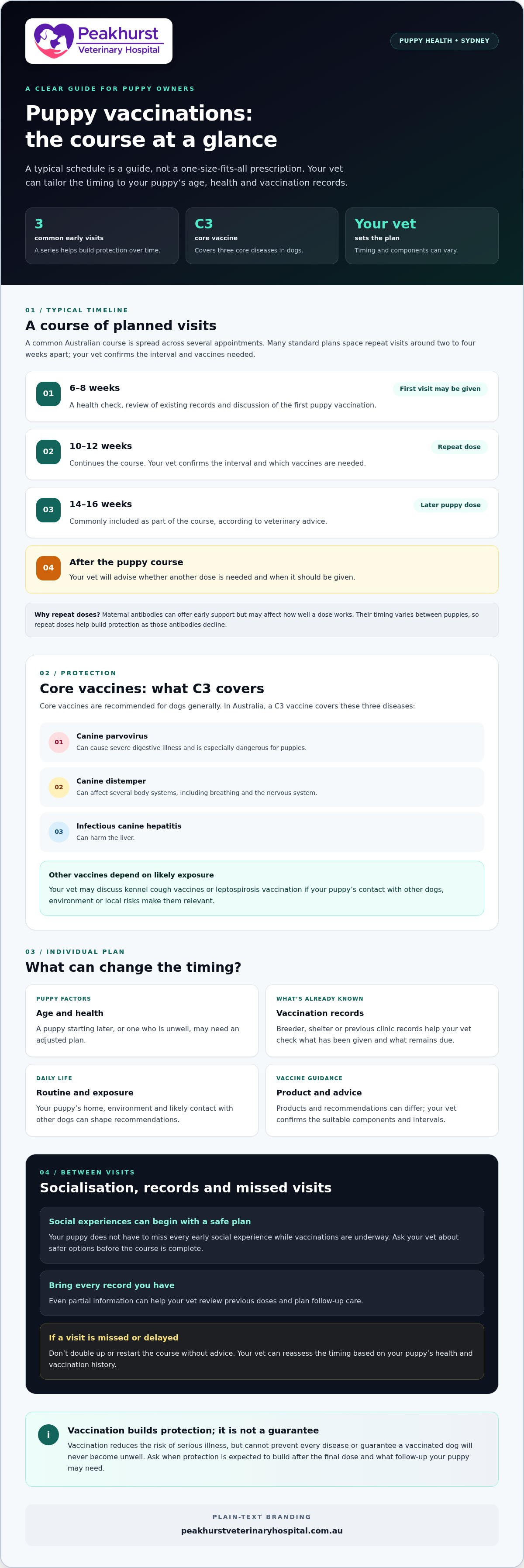
If you’ve found conflicting advice about the puppy vaccination schedule Sydney vets commonly use, it’s understandable to wonder which dates to follow and when it’s safe to go out. A typical course includes visits at 6-8, 10-12 and 14-16 weeks, but your puppy’s age, health and vaccination records can affect the plan.

This month-by-month guide explains the purpose of each visit, which vaccines are routinely recommended and which may depend on your puppy’s lifestyle and likely exposure. You’ll also learn how a vet can review vaccination records, plan follow-up care and help you make informed choices about socialisation before the course is complete. Every puppy is different, so use these stages as a starting point and discuss your puppy’s needs with your vet.

Key Takeaways

• The puppy vaccination schedule Sydney vets commonly use is a guide, not a one-size-fits-all prescription.

• Learn what early vaccination visits help protect against and why follow-up doses matter.

• Understand how your puppy’s health, routine and contact with other dogs can shape vaccine recommendations.

• Find out how to organise vaccination records and what to do if a visit is missed.

• Explore safer socialisation options and prepare useful questions for your vet.

Puppy vaccination schedule in Sydney: why the early visits matter

Bringing home a puppy comes with plenty to organise, but their vaccination plan doesn’t have to be confusing. Your vet can check which doses they’ve already received, explain what’s next and set dates that suit their age and health.

A puppy vaccination course is a series of planned visits that helps prepare a puppy’s immune system to recognise and fight selected infectious diseases. Vaccination reduces the risk of serious illness, but it can’t prevent every disease or guarantee that a vaccinated dog will never become unwell. The puppy vaccination schedule Sydney owners discuss with their vet is a guide to building protection, not a promise of complete immunity after one injection.

Core vaccines are recommended for dogs generally. In Australia, these protect against canine parvovirus, canine distemper and infectious canine hepatitis. Other vaccines may be considered based on a puppy’s likely contact with other dogs, environment and local risks. For a broader overview of core and additional vaccines, see this general vaccination schedule. Your treating vet can confirm which components are appropriate for your puppy.

Which diseases do core puppy vaccines help protect against?

Parvovirus can cause severe digestive illness and is especially dangerous for puppies. Distemper can affect several body systems, including breathing and the nervous system. Infectious canine hepatitis can harm the liver. A C3 vaccine covers these core diseases. A vet may discuss additional protection, such as kennel cough vaccines or leptospirosis vaccination, if your puppy’s likely exposure makes it relevant. Recommendations and vaccine components can vary, so check the plan with your vet.

Why puppies usually need a series of visits

Young puppies can carry antibodies passed on by their mother. These offer early support, but can also affect how well a vaccine dose works, and the timing varies between puppies. Repeat doses are planned steps to help build protection as maternal antibodies decline. They don’t mean an earlier visit has failed. Your vet sets the timing based on your puppy’s age, health, vaccination records and current vaccine guidance.

An early dose shouldn’t be treated as instant or lifelong protection. If you’re in Peakhurst or a nearby Sydney suburb, bring any breeder, shelter or previous clinic records to your vet. They can review what’s known, explain what remains due and help you plan the next steps.

Typical puppy vaccination timeline for Sydney owners

A common Australian puppy vaccination course is planned across several visits rather than completed in one appointment. The ages below are a useful guide, not a prescription. The Australian Veterinary Association guidelines provide professional guidance, while your vet can set dates to suit your puppy’s age, health and vaccination history. Vaccine products and recommendations can differ.

Puppy’s ageTypical purpose of the visit
6-8 weeksThe first puppy vaccination may be given, alongside a health check and review of existing records.
10-12 weeksA repeat dose continues the course. Your vet confirms the interval and vaccines needed.
14-16 weeksA later puppy dose is commonly given as part of the course, according to veterinary advice.
After the puppy courseYour vet will advise whether another dose is needed and when it should be given.

In many standard plans, repeat visits are spaced around two to four weeks apart, with a later puppy dose at 14-16 weeks. The exact interval depends on the vaccine used and your vet’s assessment. Ask when protection is expected to build after the final dose and what follow-up your puppy may need.

What happens at the first puppy vaccination appointment?

The first visit is also an opportunity to check your puppy’s general health and discuss their home, routine and likely contact with other dogs. Your vet will confirm their age, review previous doses and decide whether they’re well enough for vaccination that day. Bring any breeder, rescue or previous clinic records you have. Partial information can still help with planning the next appointment.

Why the next dose date can vary between puppies

A puppy starting at six weeks may have a different appointment plan from one who first sees a vet later. If your puppy is unwell, their records are incomplete or a visit has been delayed, the vet may adjust the timing instead of simply continuing the original dates. Don’t double up or restart the course without advice. If you’re unsure what’s due, Peakhurst Veterinary Clinic and Small Animal Hospital can help you discuss your puppy’s vaccination plan and follow-up visits.

Core and lifestyle vaccines: what Sydney puppies may need

It’s easy to assume every puppy should receive exactly the same vaccines. In practice, core vaccines provide a foundation, while additional protection may be considered based on a puppy’s health and likely exposure. Core vaccines are recommended for dogs generally; risk-based vaccines are considered when an individual dog’s lifestyle or environment makes them relevant. Your vet can explain how this applies to your puppy and confirm which vaccine components are in their plan.

In Australia, core protection commonly covers canine parvovirus, canine distemper and infectious canine hepatitis. A C5 vaccine includes the C3 core components plus protection against two causes associated with kennel cough. Other vaccines, such as leptospirosis, may be discussed if your vet considers your puppy’s likely exposure relevant. For an accessible overview of core and non-core vaccines, the RSPCA explains how these categories differ. Check the final choice with your treating vet.

When might a vet discuss kennel cough vaccination?

Kennel cough is a familiar name for a group of contagious respiratory infections, rather than one illness caused by a single germ. A vet may discuss vaccination if your puppy is likely to spend time in close contact with other dogs, such as at boarding, training classes or other group settings. The vaccine can reduce risk, but it can’t guarantee that a dog won’t develop respiratory signs because more than one cause may be involved.

Boarding facilities may have their own vaccination requirements. Check these before booking and share them with your vet so you have time to ask whether an additional vaccine is suitable and when it should be given.

How your puppy’s routine helps shape vaccine decisions

Your puppy’s everyday plans are useful information for your vet. Mention regular contact with dogs and any expected changes to their routine, including:

• daycare, boarding or training classes

• regular visits with dogs from other households

• travel plans or time in settings where dogs gather

• other likely contact with wildlife or environments your vet may ask about.

These details help your vet weigh potential exposure against your puppy’s individual circumstances. A puppy vaccination schedule Sydney owners discuss with their vet should reflect those circumstances, not assumptions based on a suburb alone. If your plans change, mention it at a follow-up visit so recommendations can be reviewed as your puppy’s routine develops.
Puppy vaccination schedule Sydney

Between puppy vaccinations: safe outings, records, and missed visits

A few simple habits can help you keep your puppy’s care on track between appointments:

Save each appointment date.

Follow the dates your clinic gives you and contact them if you need to reschedule.

Keep vaccination records together.

Store the certificate or booklet somewhere easy to find and take it to future vet visits.

Ask before changing plans.

If a dose is missed or you’re unsure about an outing, check with your vet rather than guessing.

Vaccination is one part of caring for a growing puppy. Preventive care matters throughout their life, and this annual pet health check guide explains what routine checks can involve.

Can puppies socialise before their vaccination course is complete?

Some puppies can have positive experiences before their course is complete, but suitable options depend on their health, vaccination history and the setting. Ask your vet about controlled, clean environments, such as a well-managed puppy class, or calm visits with known, healthy, fully vaccinated dogs. These settings can help your puppy meet new people and get used to everyday sights and sounds while limiting contact with unfamiliar dogs.

Until your vet advises otherwise, avoid higher-risk places such as dog parks. As a general guide, wait until one to two weeks after the final puppy vaccination before visiting them. Your vet can weigh socialisation needs against local infection risks, so don’t assume every puppy must stay indoors until a particular age.

What should you do if a puppy dose is overdue?

If an appointment slips by, don’t panic or double up. Call your clinic with your puppy’s age and any vaccination history you have. The vet can review the dates and decide whether to continue the course, adjust the timing or restart any part. The right next step depends on the vaccine and your puppy’s circumstances.

If you’re unsure how a missed visit affects your puppy vaccination schedule Sydney, contact your veterinary team for an updated plan. Peakhurst Veterinary Clinic provides vaccinations for dogs. Contact the clinic to discuss your puppy’s vaccination follow-up.

Plan your puppy’s vaccinations with a Peakhurst vet

The usual puppy course is often planned around visits at 6-8, 10-12 and 14-16 weeks, but these ages are a starting point, not a prescription. Your veterinarian will recommend a plan after reviewing your puppy’s health, age and vaccination history. If records are missing or the course has been delayed, ask the vet to confirm the next steps rather than relying on a general puppy vaccination schedule Sydney guide alone.

Bring any vaccination documents you have, along with adoption, rescue or breeder details that may explain your puppy’s background. It’s also useful to think about their routine and upcoming plans, such as training classes, boarding or regular contact with other dogs. These details help your vet discuss which vaccines may suit your puppy and why.

Questions to ask at your puppy’s vaccination visit

A few clear questions can help you leave with a better understanding of the plan:

• Which vaccines do you recommend for my puppy, and what does each one help protect against?

• When should we return for the next dose, and what should I do if we need to change that date?

• Are there any precautions you recommend for outings, training classes or boarding while the course is underway?

• What reactions might I notice after vaccination, and when should I contact the clinic for advice?

Your vet can explain what to expect and how to get in touch if you’re concerned. Ask for clarification if anything about the schedule or aftercare isn’t clear.

Getting local support in Peakhurst and nearby suburbs

For puppy owners in Peakhurst and nearby communities, Peakhurst Veterinary Clinic and Small Animal Hospital provides vaccinations and routine veterinary care for dogs. The independently operated practice has served the local area since 1972. A local veterinary team can review the records you bring, discuss your puppy’s routine and help plan follow-up visits based on their needs.

Whether you’re in Peakhurst, Peakhurst Heights, Riverwood, Padstow Heights, Padstow, Mortdale, Lugarno, Narwee, Oatley, Revesby Heights, Penshurst, Beverly Hills, Alfords Point, Connells Point, Bonnet Bay, Oyster Bay, Como, Roselands, Hurstville Grove or Blakehurst, ask a vet if you’re unsure what’s due. Talk with the Peakhurst veterinary team about your puppy.

Take the next step towards confident puppy care

A puppy’s vaccination course is a series of visits, not a one-size-fits-all checklist. The usual stages can help you understand what may be due, while your vet uses your puppy’s records, health and routine to shape an individual plan. Core vaccines provide a foundation, and additional protection can be discussed according to likely exposure.

Keep vaccination records together, follow the clinic’s recommended dates and ask for advice if an appointment is missed or you’re unsure about outings. These steps can make follow-up care easier to manage.

For owners in Peakhurst and nearby Sydney communities, Peakhurst Veterinary Clinic provides vaccinations and routine veterinary care. The independently operated local practice has been established since 1972, offering a place to discuss your puppy’s needs.

Talk with the Peakhurst veterinary team about your puppy and their vaccination plan. With a clear schedule and support from your vet, you can take the next steps with greater confidence.

Frequently Asked Questions

This guide is for puppy owners in Peakhurst, Peakhurst Heights, Riverwood, Padstow Heights, Padstow, Mortdale, Lugarno, Narwee, Oatley, Revesby Heights, Penshurst, Beverly Hills, Alfords Point, Connells Point, Bonnet Bay, Oyster Bay, Como, Roselands, Hurstville Grove and Blakehurst.

How many vaccinations does a puppy need in Australia?

A puppy commonly has three vaccination visits as part of their initial course, often around 6-8, 10-12 and 14-16 weeks of age. The exact plan depends on the vaccine used, your puppy’s age and any previous doses. Some vaccines are combined in one visit, so the number of injections may differ from the number of appointments. Your vet can confirm what your puppy needs and when.

At what age should a puppy have its first vaccination in Sydney?

Puppies commonly receive their first vaccination at around 6-8 weeks of age. If your puppy is older when you bring them home, or you’re unsure whether they’ve already had a dose, don’t assume they need to start from the beginning. Share any available records with your vet, who can recommend the next step. The puppy vaccination schedule Sydney owners follow should be tailored to each puppy’s history and health.

Can my puppy go outside before its vaccinations are complete?

Some outings may be suitable before the course is complete, but the setting matters. Ask your vet about gentle socialisation in controlled, clean places or with known, healthy, fully vaccinated dogs. Avoid higher-risk areas such as dog parks until your vet advises it’s appropriate. As a general guide, wait one to two weeks after the final puppy vaccination before visiting dog parks, and seek advice suited to your puppy and local risks.

What happens if my puppy misses a vaccination appointment?

Contact your veterinary clinic and provide your puppy’s age, appointment dates and any vaccination records. A missed visit doesn’t automatically mean the course must restart. Your vet will review the vaccine used and timing, then decide whether to continue, adjust or restart part of the plan. Don’t double doses or create a catch-up schedule yourself. If you’re uncertain about the records, bring whatever information you have for the vet to assess.

Are puppy vaccinations compulsory in NSW?

Routine vaccinations are not generally a blanket legal requirement for every pet dog in NSW, but vets recommend them to help protect against serious infectious diseases. This is separate from NSW requirements for dogs to be microchipped and lifetime registered by 12 weeks of age. Boarding facilities or other settings may also have their own vaccination conditions, so check requirements before making plans and discuss them with your vet.

Can puppies feel unwell after a vaccination?

Some puppies may be quieter than usual or have mild, short-lived effects after vaccination. Ask your vet what reactions to watch for and how long they might last. Contact the clinic for advice if your puppy seems very unwell, their symptoms persist or you’re worried. Seek urgent veterinary attention for signs such as difficulty breathing, facial swelling or collapse. Your vet can advise what to do based on your puppy’s symptoms.

Dog Vaccination in Peakhurst: Caring Guide for Owners

September 29, 2026

Dog Vaccination in Peakhurst: Caring Guide for Owners

Does your dog need the same vaccinations as every other dog? If you’re researching dog vaccination Peakhurst options, it’s understandable to feel unsure about what’s right for your companion, especially if they’re a puppy, have missed a booster or spend time around other dogs. Vaccination advice can...
No items found.
No items found.
No items found.

Does your dog need the same vaccinations as every other dog? If you’re researching dog vaccination Peakhurst options, it’s understandable to feel unsure about what’s right for your companion, especially if they’re a puppy, have missed a booster or spend time around other dogs. Vaccination advice can be tailored to your dog’s age, health history and lifestyle, so there’s no need to guess or feel worried about asking questions.

This guide explains how vets consider which vaccines may suit your dog, what to expect at an appointment and how puppy, adult and overdue vaccination timing can differ. You’ll also find out what to bring, including vaccination records and details of past reactions or your dog’s routine. Peakhurst Veterinary Clinic and Small Animal Hospital provides vaccinations and routine health checks for the local community. Talking through your dog’s history with a local veterinary team can make planning preventive care feel more manageable.

Key Takeaways

• Vaccines help prepare your dog’s immune system to respond to specific infections. The right choices depend on your dog’s individual circumstances.

• Help your vet shape a suitable plan by sharing your dog’s age, health, vaccination history and likely exposure to other dogs.

• Understand the difference between core and non-core vaccines so you can discuss which options may fit your dog’s needs.

• For dog vaccination Peakhurst appointments, bring any vaccination records and note questions about your dog’s routine or previous reactions.

• Peakhurst Veterinary Clinic and Small Animal Hospital provides dog vaccinations and routine health checks as part of ongoing preventive care.

Dog vaccination in Peakhurst: what protection can vaccines provide?

Vaccine choices can feel confusing, particularly when advice from other owners or online sources doesn’t seem to match. Vaccination helps prepare your dog’s immune system to recognise and respond to specific infections. The vaccines and timing your dog may need depend on factors such as age, health, previous doses and likely exposure. A vet can review these details and explain the options for your dog.

Core vaccination means protection against serious infectious diseases that Australian veterinary guidance recommends for all dogs, with the plan and timing confirmed by a vet. Core vaccines commonly cover canine parvovirus, distemper and adenovirus-related infectious hepatitis. For an introductory overview, read this dog vaccination information, then discuss how it applies to your dog with a veterinary professional.

Which illnesses can dog vaccines help prevent?

These infections can cause serious illness. Parvovirus can affect a dog’s gut, distemper can affect several body systems, and canine adenovirus is associated with infectious hepatitis. Core vaccination is intended to reduce the risk of these diseases, but no vaccine can promise complete protection or prevent every infectious illness.

Your vet can check your dog’s records and health before advising on vaccination. This is especially useful if you’re unsure which doses they’ve had or their circumstances have changed since their last visit.

Why vaccination matters for dogs around Peakhurst

Dogs may encounter one another on walks, in shared outdoor spaces, or through regular activities such as daycare and boarding. These routines can shape which infections your dog could be exposed to. A dog who often mixes with other dogs may have different needs from one whose outings are more limited.

For dog vaccination Peakhurst advice, tell your vet where your dog spends time and how often they socialise. The veterinary team can consider these details alongside your dog’s age, health and vaccination history. This helps keep preventive care relevant without assuming every dog needs the same vaccines.

How a vet plans dog vaccinations for puppies and adult dogs

A suitable vaccination plan starts with your dog, not a standard list of injections. Your vet will consider their age, current health, previous vaccine doses and likely exposure to infectious diseases. These details help explain why recommendations can differ between dogs, even when they live in the same area or have similar routines.

A simple overview of the assessment is:

Review age and health

Your dog’s life stage and wellbeing help inform what can be given and when.

Check previous doses

Certificates or clinic records help the vet understand what protection your dog may already have received.

Discuss likely exposure

Socialising with other dogs, shared spaces and care arrangements may affect the advice.

Agree on next steps

The vet recommends an appropriate plan and explains when to review it.

For further background, the American Veterinary Medical Association’s veterinary vaccination guidelines explain why vaccine schedules are individualised. Your Australian vet can advise how that general information applies to your dog.

Puppy vaccinations and developing protection

Puppies may need a series of vaccinations as they grow, rather than a single visit. Maternal antibodies passed on by their mother can affect how well an early vaccine takes effect, so timing is planned to support protection as those antibodies change. Your vet can advise on a schedule for your puppy. Ask them to explain each step if you’re unsure.

Adult boosters, records and overdue vaccinations

Adult dogs don’t all need the same booster at the same interval. The next dose depends on the vaccine, your dog’s previous history and your vet’s recommendation. If a vaccination is overdue, or you don’t know what your dog has received, don’t assume they need to start again or that an old dose still covers them. Ask the vet to review what’s known and advise on the next step.

Bring your dog’s vaccination certificate or ask their previous clinic to share the records. Even partial information can help. If records aren’t available, tell the vet what you remember and when the last visit may have been. There’s no need to feel embarrassed; the aim is to make a considered plan for your dog now.

If you’re arranging dog vaccination Peakhurst care, you can discuss your dog’s age, health and history with Peakhurst Veterinary Clinic and Small Animal Hospital, which provides dog vaccinations and routine health checks.

Core and non-core dog vaccines: compare options with your vet

Vaccine labels are useful shorthand, but they don’t tell the whole story. In Australian veterinary practice, vaccines are commonly described as core, recommended broadly for dogs, or non-core, considered according to a dog’s individual risk of exposure. This distinction can guide a conversation, but it doesn’t replace one. Your vet can consider your dog’s health and routine before recommending a plan.

What does core vaccination mean for dogs?

Core vaccination protects against serious diseases that are considered a concern for all dogs. In Australia, C3 is a familiar term for a combination vaccine covering canine parvovirus, distemper and adenovirus-related infectious hepatitis. The RSPCA vaccination recommendations offer further background on Australian vaccine categories. Your vet can confirm the vaccine components and timing relevant to your dog.

CategoryWhat it meansWhat to discuss
CoreBroadly recommended protection against serious diseases, commonly associated with C3.Your dog’s previous doses, health and the timing of any next dose.
Non-coreAdditional vaccination considered when a dog’s circumstances may increase exposure.Social contact, group care, boarding, travel and any relevant health factors.

A C3 label doesn’t settle every question about your dog’s care. The vet still needs to consider their history and decide whether any additional protection is appropriate.

When might a vet discuss additional vaccination?

Frequent contact with other dogs, group care or boarding may prompt a discussion about kennel cough vaccination. The level of exposure and your dog’s health help shape that conversation. This is not a blanket recommendation: your vet can explain what a vaccine covers and what it doesn’t, including that kennel cough vaccination may not prevent every cause of coughing illness.

Boarding facilities may set their own vaccination and proof-of-record requirements. Check directly with the place your dog will stay and share those details with your vet. A facility’s requirements are separate from a vet’s clinical recommendation.

For dog vaccination Peakhurst advice, ask your veterinary team why a vaccine is suggested for your dog rather than choosing a package based on its label alone. This lets the plan reflect your dog’s routine and health needs.

Dog vaccination Peakhurst

What to expect at a dog vaccination appointment in Peakhurst

A little preparation can make the visit more straightforward, especially if your dog’s records are incomplete or a dose may be overdue. The vet will usually review your dog’s vaccination history and may check their general health before discussing what, if anything, is due. If you can’t find the records, tell the clinic what you know rather than trying to guess. The vet can advise on the next step.

Before your dog’s vaccination visit

Before arranging dog vaccination Peakhurst care, ask the clinic how to book and confirm its current appointment options. Let the team know if your dog is currently unwell, pregnant or has another health concern so they can advise you before the visit. Mention any past reaction to a vaccine, even if you’re unsure whether it was related.

Bring and ask:

• Vaccination certificates or records from a previous clinic. If you don’t have them, mention this when arranging the visit.

• Details of your dog’s medicines, current health concerns and any previous reactions you remember.

• Questions about which vaccines are being considered, why they may suit your dog and when to review the plan.

• Information about your dog’s routine, including regular contact with other dogs or plans for boarding.

These details give the vet a clearer picture of your dog’s history and a practical starting point for the discussion, rather than relying on assumptions about what they’ve already received.

After vaccination: monitoring and when to call

Some dogs may be quieter than usual or have tenderness where the vaccine was given for a short time. Ask the vet what reactions may be expected for the vaccine your dog receives and how long to monitor them. Advice can vary, so follow the guidance given at your appointment.

Contact a veterinarian if your dog has severe, unusual or worsening signs, or if you’re worried about how they’re feeling. Don’t try to diagnose the cause or give medication without veterinary advice. If you’re unsure, it’s reasonable to ask for guidance.

For help planning a vaccination visit, ask Peakhurst Veterinary Clinic and Small Animal Hospital about arranging an appointment. Sharing your dog’s records and health details gives the veterinary team a useful starting point.

Arrange dog vaccination with your Peakhurst veterinary team

A useful vaccination discussion takes your dog’s whole picture into account: age, health, previous doses and everyday activities. Bring any records you have and mention changes such as starting group care or planning to board. If records are missing, say so. Your vet can review the information available and explain the options without relying on guesswork.

Questions to ask at your dog’s vaccination appointment

It’s reasonable to ask your veterinary team to explain their recommendation. Consider asking:

• Which vaccines may suit my dog’s age, health and vaccination history?

• Do my dog’s usual activities or contact with other dogs affect the advice?

• When should we review the plan, and how can I keep the records up to date?

• Could a previous reaction or health concern affect the next step?

Share any concerns openly, even if they seem small. Clear answers can help you understand the plan and what to expect next.

Getting local support in Peakhurst and nearby suburbs

For dog vaccination Peakhurst care, Peakhurst Veterinary Clinic and Small Animal Hospital provides dog vaccinations and routine health checks. The independently operated clinic is located in Peakhurst, Sydney, and serves the local community and nearby southern Sydney suburbs.

Vaccination can be discussed as part of your dog’s ongoing preventive care. To learn how a routine health check fits into that picture, explore the clinic’s annual pet health checks guide.

If you’re ready to talk through your dog’s vaccine history, lifestyle or next steps, contact the clinic to ask about dog vaccinations or routine health checks. The veterinary team can help you consider care that suits your companion.

Plan your dog’s next step with confidence

Your dog’s vaccination plan should reflect their age, health, previous doses and everyday routine. Core and additional vaccines serve different purposes, so a conversation with your vet can help clarify which options may suit your companion. Bring any vaccination records and share your concerns to give the team a useful starting point, even if some history is missing.

If you’re looking for dog vaccination Peakhurst care, Peakhurst Veterinary Clinic and Small Animal Hospital provides dog vaccinations and routine health checks. The independently operated practice serves Peakhurst and surrounding southern Sydney communities. Your local veterinary team can help review your dog’s history and discuss vaccination as part of their ongoing preventive care.

Contact the Peakhurst veterinary team to discuss your dog’s vaccinations. Asking questions is a thoughtful way to care for your dog, and you don’t need to have every answer before starting the conversation.

Frequently Asked Questions

Which vaccinations does my dog need in Australia?

Most dogs are advised to receive core vaccination against canine parvovirus, distemper and adenovirus-related infectious hepatitis. Other vaccines, such as kennel cough vaccination, may be discussed according to your dog’s health and exposure to other dogs. The best plan depends on their age, records and routine, so ask your vet why each vaccine is being recommended. For dog vaccination Peakhurst advice, share your dog’s usual activities with the veterinary team.

How often do dogs need vaccinations?

There isn’t one interval that suits every vaccine and dog. Puppies usually need a series of vaccinations as they grow, while adult doses depend on the vaccine, previous history and veterinary advice. In Australia, core C3 boosters for adult dogs are often given every three years, while kennel cough vaccination may need annual renewal. Your vet can check your dog’s records and confirm the timing that applies to them.

Can my dog have a vaccination if they are unwell?

Tell the clinic if your dog is unwell before their vaccination visit. The vet may recommend assessing their health and deciding whether to proceed or wait. Mention what you’ve noticed, when it began and any medicines your dog is taking. Don’t make the decision based on a general schedule alone. The veterinary team can consider your dog’s condition and advise on a suitable next step.

What happens if my dog’s vaccinations are overdue or I have no records?

If doses are overdue or you can’t find your dog’s records, arrange a veterinary review rather than guessing which vaccines they need. Bring any certificates you have, or ask the previous clinic to share the history. The vet can use the available information to recommend a plan. Peakhurst Veterinary Clinic and Small Animal Hospital serves Peakhurst and nearby communities, including Peakhurst Heights, Riverwood, Padstow Heights, Padstow, Mortdale, Lugarno, Narwee, Oatley, Revesby Heights, Penshurst, Beverly Hills, Alfords Point, Connells Point, Bonnet Bay, Oyster Bay, Como, Roselands, Hurstville Grove and Blakehurst.

Are dog vaccinations required for boarding in NSW?

Yes. In NSW, dogs need vaccination against common diseases, including kennel cough, before they can be accepted into a boarding kennel, and proof of vaccination is required. Check with the boarding facility about which vaccines it expects and what documentation to provide. Share those details with your vet, who can review your dog’s history and advise on timing. Check the requirements before arranging your dog’s stay.

What side effects can dogs have after vaccination?

Some dogs may be quieter than usual or have tenderness where the vaccine was given for a short time. Ask your vet what to watch for after your dog’s particular vaccination and how long any expected effects may last. Contact a veterinarian if signs are severe, unusual or worsening, or if you’re concerned. Don’t try to diagnose the cause or give your dog medication without veterinary advice.

Can my dog have more than one vaccine at the same appointment?

Sometimes, but the vet should decide based on your dog’s health, vaccination history and the vaccines being considered. Ask what each vaccine covers and whether giving them together or at separate visits is suitable for your dog. Peakhurst Veterinary Clinic and Small Animal Hospital provides vaccinations for local owners in Peakhurst, Peakhurst Heights, Riverwood, Padstow Heights, Padstow, Mortdale, Lugarno, Narwee, Oatley, Revesby Heights, Penshurst, Beverly Hills, Alfords Point, Connells Point, Bonnet Bay, Oyster Bay, Como, Roselands, Hurstville Grove and Blakehurst.

Cat Health Checks in South Sydney: What to Expect

September 28, 2026

Cat Health Checks in South Sydney: What to Expect

What if the most helpful part of a cat health check happens before your cat seems unwell? Cats can be good at hiding changes, so a routine visit can give your vet a useful picture of your cat’s health over time. If you’ve searched for “cat health check south Sydney”, you may be wondering what happen...
No items found.
No items found.
No items found.

What if the most helpful part of a cat health check happens before your cat seems unwell? Cats can be good at hiding changes, so a routine visit can give your vet a useful picture of your cat’s health over time. If you’ve searched for “cat health check south Sydney”, you may be wondering what happens during an appointment and how to tell when your cat needs one.

It’s understandable to feel unsure about what a check-up involves, especially if travel or vet visits unsettle your cat. The appointment can be shaped around your cat’s age, health and needs, and it’s also a chance to share small changes you’ve noticed at home. You don’t need to have all the answers before you go.

This guide explains what a routine cat health check may cover, how to prepare for the visit and when to seek veterinary advice. You’ll also learn why check-up timing can differ from cat to cat. Peakhurst Veterinary Clinic and Small Animal Hospital offers annual health checks, with care guided by your cat’s individual needs.

Key Takeaways

• A cat health check south Sydney visit usually starts with your observations and your cat’s history, helping the vet tailor the assessment to their needs.

• Your cat’s age and circumstances can influence check-up timing, so ask your veterinarian what schedule may suit them.

• A secure carrier, familiar bedding and a few notes about your questions can help you feel more prepared for the trip.

• Share changes you’ve noticed at home, even if they seem small, so you and the vet can discuss whether they need attention.

• Peakhurst Veterinary Clinic and Small Animal Hospital offers annual health checks for cats and serves nearby South Sydney communities.

What is a cat health check, and why does it matter in South Sydney?

A cat health check is a veterinary assessment of your cat’s overall wellbeing and changing needs. It gives you time to talk about how your cat is doing at home and helps the veterinarian consider their health in context. For owners looking for a cat health check south Sydney, a routine appointment can be useful even when their feline companion appears well.

Preventive visits can help build a picture of what’s normal for your cat, making it easier to discuss changes over time. They can’t guarantee your cat won’t become unwell, and they aren’t a substitute for veterinary advice if your cat develops a sudden or worrying problem. For a wider overview of cat health, explore topics such as preventive care and common health concerns. Peakhurst Veterinary Clinic and Small Animal Hospital offers annual health checks. The annual pet health checks guide explains more about routine visits.

What can a routine feline check help assess?

The appointment may begin with a conversation about your cat’s appetite, drinking, toileting, behaviour and everyday routines. Mention anything you’ve noticed, from a change in eating habits to a new reluctance to play. These details help the veterinarian understand your cat’s usual patterns and what you’d like to discuss.

The veterinarian may assess your cat’s weight, body condition and general physical health. The examination depends on your cat and the reason for the visit, so ask what the veterinarian recommends and why.

Why a cat may benefit even when they seem well

Cats can be subtle about changes, and a small difference doesn’t automatically mean something is wrong. You might notice your cat drinking a little more, hiding more often or behaving differently around mealtimes. Sharing these observations gives the veterinarian useful context, even if you’re unsure whether they matter.

A preventive check is a chance to discuss your cat’s current health baseline and what may have changed since their last visit. That conversation can help you understand what to keep an eye on and when to ask for advice. You don’t need a perfect record. A few notes about what feels different are a helpful starting point.

What to expect at a cat health check south Sydney appointment

A cat health check usually starts with a conversation about your cat’s history and what you’ve noticed at home. You might mention a change in appetite, a new drinking habit or a difference in how your cat moves. These details help the veterinarian focus on what matters for your cat, rather than relying on a fixed checklist.

The physical assessment is guided by your cat’s needs and the reason for the visit. A cat health check south Sydney appointment may include looking at your cat’s weight, body condition, coat, eyes, ears and mouth, but the exact process can vary. If you want to know what a particular clinic routinely includes, ask its team when arranging the visit.

What the veterinarian may ask and examine

Before the appointment, think through your cat’s usual routine. The veterinarian may ask about eating, drinking, grooming, movement and litter-tray habits. Small observations can be useful, such as taking longer to jump onto a favourite chair or grooming less than usual.

Depending on your cat and the reason for the check, the veterinarian may assess their weight and body condition and look over their coat, eyes, ears and mouth. Your cat’s comfort and history help guide the examination. If they become uneasy, let the veterinary team know so they can take this into account.

When might vaccinations or further checks be discussed?

Vaccinations may come up if they’re relevant to your cat’s care. Their needs can depend on age, health and previous vaccination history, so bring any records you have and ask what’s appropriate. You can also raise dental concerns if you’ve noticed changes in eating or signs of discomfort around the mouth.

Further checks or tests aren’t automatically required at every routine visit. A veterinarian may recommend them if your cat’s history or examination suggests they could be helpful, and can explain the reason before you decide how to proceed. Check-up components are guided by your cat’s age, history and examination.

If your cat finds travel or handling unsettling, mention this when speaking with the clinic. Texas A&M University’s advice on preparing a cat for a veterinary visit offers helpful background for making the trip more familiar. You can also contact Peakhurst Veterinary Clinic to ask what to expect for your cat’s annual health check.

How often should cats in South Sydney have a health check?

There isn’t one check-up schedule that suits every cat. The right timing depends on your cat’s age, medical history, lifestyle and any concerns you’ve noticed, so discuss it with their veterinarian. If you’re considering a cat health check south Sydney, ask what schedule makes sense for your cat rather than relying on a general rule.

Peakhurst Veterinary Clinic and Small Animal Hospital offers annual health checks for cats. This is a routine option to discuss with the veterinary team, while keeping in mind that your cat may need a different plan based on their circumstances. A new symptom or change in behaviour is also a reason to seek advice rather than waiting for the next routine appointment.

How age and health history can shape check-up timing

A growing kitten’s care needs can differ from those of a healthy adult cat. Their veterinarian can discuss appropriate visits as they grow, taking their health history and care needs into account. For an adult cat who appears well, the vet can help you decide how often to arrange routine assessments.

As cats get older, ask whether their check-up or monitoring plan should change. Previous health concerns, ongoing treatment or a new change at home may also affect when the veterinarian recommends a follow-up. If you’re unsure, ask the clinic for guidance based on your cat’s records and current wellbeing.

Does an indoor cat still need preventive care?

Keeping a cat indoors can shape their lifestyle and exposure, but it doesn’t remove every health or preventive-care consideration. Your cat’s age, health history and day-to-day circumstances still matter, and indoor cats can have needs worth discussing with a veterinarian.

Share details about your cat’s lifestyle, including whether they ever go outside or spend time with other animals. This helps the veterinarian consider whether vaccinations or other preventive care may be relevant. Indoor and outdoor cats don’t necessarily have identical risks or care plans, so decisions are best made for the individual cat.

Bring up questions about timing at your next visit, even if your cat seems comfortable and well. A conversation can help you understand what to watch for and when to check in again. If you’ve noticed a new or worrying change, contact a veterinary team for advice rather than assuming it can wait until a routine check-up.

Cat health check south Sydney

How to prepare your cat for a calm veterinary health check

A little preparation can make the trip feel more familiar for both of you, though it can’t guarantee your cat won’t feel unsettled. You don’t need to wait until your cat looks unwell to arrange a routine visit. A health check can be useful when they seem well, and a few simple steps can help you make the most of your conversation with the veterinarian.

Getting your cat and carrier ready

If it suits your cat, leave their carrier somewhere accessible before the appointment so it can become a familiar part of the home. Add familiar bedding if appropriate, and use a secure carrier for the journey. If travel is especially difficult for your cat, ask the veterinary clinic for advice before the visit. Don’t give medication or calming products unless a veterinarian has advised you to use them.

What to tell the veterinarian

Before you leave, jot down anything you’d like to discuss. Small observations can be helpful, even if you’re not sure they’re significant. You might note changes in your cat’s:

• Appetite or drinking habits

• Toileting or litter-tray routine

• Grooming, sleep or behaviour

Bring relevant medical records if you have them, and mention any known health conditions. Make a note of current medicines and supplements too, including how your cat takes them. If you can’t find an old record or aren’t sure of a detail, simply say so. The veterinary team can help you work through the information.

It’s also fine to bring written questions. You may want to ask what the check involves, whether a change you’ve noticed needs attention, or what to keep an eye on at home. Sharing what you’ve observed isn’t overreacting. It gives the veterinarian useful context and keeps the discussion specific to your cat.

A routine visit can be worthwhile even if your cat seems well

You don’t have to wait for an obvious problem before seeking advice. A routine cat health check south Sydney appointment gives you time to discuss your cat’s current wellbeing and ask questions as their needs change. For guidance on preparing for an annual health check, contact the Peakhurst veterinary team.

Booking a cat health check with a local Peakhurst veterinary team

If you’re looking for a cat health check south Sydney, Peakhurst Veterinary Clinic and Small Animal Hospital is a local option for routine feline care. The independently operated practice is located in Peakhurst and offers annual health checks. Its team can help you discuss what may suit your cat.

Before arranging a visit, ask about the appointment process and what to expect. Sharing a little about your cat’s health and temperament can help you prepare, especially if travel or handling is difficult for them.

What to ask when arranging an appointment

A few practical questions can make planning easier. Ask whether the clinic has your cat’s previous history and what records you should bring, such as vaccination details or notes from another veterinary practice. If your cat has mobility needs, dislikes their carrier or finds travel challenging, mention this when you contact the team so they can advise you about the visit.

Appointment availability and clinic hours can change, so confirm the current details directly with the clinic before making plans. You can also ask whether there’s anything else they’d like you to bring or prepare.

When a routine check is not the right next step

A routine appointment is intended for planned care and discussion. If your cat develops sudden or concerning symptoms, seek veterinary advice promptly rather than waiting for a routine check-up. If the concern arises after hours, contact an appropriate emergency veterinary service for guidance.

Peakhurst Veterinary Clinic and Small Animal Hospital does not provide 24-hour emergency hospital services. If you’re unsure whether your cat’s situation can wait, contact a veterinary service for advice and explain what you’ve noticed.

For routine care, a conversation with a local veterinary team can help you understand the next steps for your cat. Contact Peakhurst Veterinary Clinic to ask about arranging an annual health check and confirm its current booking options.

Take the next step for your cat’s wellbeing

A routine check can help you talk through your cat’s current health, share small changes you’ve noticed and ask what care may suit their age and history. The timing isn’t identical for every cat, so your veterinarian can help you decide what’s appropriate. If something changes suddenly or worries you, seek veterinary advice rather than waiting for a routine visit.

If you’re considering a cat health check south Sydney, Peakhurst Veterinary Clinic and Small Animal Hospital is an independently operated local practice offering annual health checks. You can discuss your cat’s individual needs with the veterinary team.

A little preparation and an open conversation can help you feel ready for your cat’s visit. Contact the Peakhurst veterinary team to ask about a cat health check and confirm current booking options.

Frequently Asked Questions

What happens during a cat health check?

A cat health check usually starts with questions about your cat’s health, daily habits and any changes you’ve noticed, followed by an assessment of their general condition. The veterinarian may discuss vaccinations or further checks if they’re relevant, but not every cat needs the same examination. Age, health history and your concerns help shape the appointment. Ask the clinic what its visit includes, as there’s no single checklist that suits every cat.

How often should I take my cat for a health check?

There’s no single schedule that suits every cat. Age, medical history and lifestyle can all affect how often a veterinarian recommends a visit. Peakhurst Veterinary Clinic and Small Animal Hospital offers annual health checks, but ask your cat’s veterinarian what timing is appropriate for them. If you’re searching for “cat health check south Sydney”, discuss your cat’s individual needs with a local veterinary team. Contact them sooner if you notice a change.

Does my indoor cat need a health check?

Yes, indoor cats can still benefit from regular veterinary attention. Their needs depend on factors such as age, health history and household circumstances, so living indoors alone doesn’t determine the right care plan. At a check, you can discuss your cat’s lifestyle and ask whether vaccinations or other preventive care are relevant. Your veterinarian can tailor advice to your cat rather than assume indoor and outdoor cats have identical needs.

Can a vet check my cat if they seem completely healthy?

Yes. A routine visit can be worthwhile even when your cat appears well, because it gives you time to discuss their health and establish a current baseline. It can’t guarantee illness will be prevented or detected. Mention small differences you’ve noticed, such as changes in appetite or behaviour, when arranging the appointment. Those details can help the veterinarian understand what’s typical for your cat and what concerns you.

What should I bring to my cat’s vet appointment?

Bring any health or vaccination records you have, along with a list of medicines or supplements your cat takes. Notes about changes in appetite, drinking, toileting or behaviour can also be useful. Peakhurst Veterinary Clinic and Small Animal Hospital is in Peakhurst and serves nearby communities including Peakhurst Heights, Riverwood, Padstow Heights, Padstow, Mortdale, Lugarno, Narwee, Oatley, Revesby Heights, Penshurst, Beverly Hills, Alfords Point, Connells Point, Bonnet Bay, Oyster Bay, Como, Roselands, Hurstville Grove and Blakehurst. Ask the clinic what else to bring.

When should I contact a vet between routine cat health checks?

Contact a veterinarian if you notice a new or worsening change in your cat’s health or behaviour. Don’t wait for the next routine appointment if you’re concerned. The veterinary team can advise whether your cat should be seen sooner. For an urgent after-hours problem, contact an appropriate emergency veterinary service. Peakhurst Veterinary Clinic and Small Animal Hospital doesn’t provide 24-hour emergency hospital services, so seek urgent care from a service equipped to help.

Comprehensive Vet Checks: A Guide for Pet Owners

September 26, 2026

Comprehensive Vet Checks: A Guide for Pet Owners

What if your pet's quietest habits are actually their way of telling you something is wrong? It’s completely natural to feel a bit of a flutter in your chest when it’s time for a veterinarian check, especially if your cat or dog seems perfectly happy and healthy at home. You might worry about the st...
No items found.
No items found.
No items found.

What if your pet's quietest habits are actually their way of telling you something is wrong? It’s completely natural to feel a bit of a flutter in your chest when it’s time for a veterinarian check, especially if your cat or dog seems perfectly happy and healthy at home. You might worry about the stress of the car ride or feel unsure if an annual exam is truly necessary when everything looks fine on the surface. We understand those feelings because we see your pets as members of the family too, and we know you only want what's best for their comfort and safety.

In this guide, you’ll discover exactly what happens during a professional nose-to-tail consultation and how it protects your furry family member’s long-term health. We’ll show you how these gentle, thorough exams act as a vital diagnostic conversation between your pet’s body and a trained expert, catching what the human eye often misses. By the end, you will have peace of mind that your companion is truly thriving, knowing that early detection is the kindest gift you can provide for their future well-being.

Key Takeaways

• Understand why a regular veterinarian check is essential for detecting subtle health changes that even the most attentive owners might miss at home.

• Learn the specific physical markers, from posture to dental health, that your vet examines during a comprehensive nose-to-tail assessment.

• Discover how to protect your pet from local Sydney threats like paralysis ticks and heartworm through tailored preventative strategies.

• Find out how to prepare for your visit by tracking simple changes in your pet's appetite and behaviour to share with your care team.

• Explore how a nurturing, community-based approach can transform a standard clinic visit into a calm and supportive experience for your furry family member.

Understanding the Value of a Routine Veterinarian Check

It’s a common feeling among pet parents; your dog is chasing their favourite ball with gusto, or your cat is curled up purring contentedly, so everything must be fine. However, our furry companions are masters at masking discomfort. This instinct, rooted deep in their wild ancestry, means that by the time a pet actually looks unwell, a condition may have already progressed. A routine veterinarian check isn't just a quick look-over; it's a proactive wellness assessment designed to catch the whispers of illness before they become shouts.

Think of your vet as a health detective. During a standard visit, they perform a systematic physical examination to evaluate everything from heart rhythms to joint mobility. By attending these appointments when your pet is seemingly healthy, you help us establish a vital health baseline. Knowing what is "normal" for your specific companion makes it much easier to spot the tiny, silent deviations that could signal an emerging issue. It’s about being a protective guardian, ensuring their golden years are as vibrant as their youth.

The "Biological Clock" Factor

Time moves differently for our pets. While a year feels like a brief chapter to us, it represents a significant portion of a dog or cat's lifespan. Because they age so much faster than humans, a health issue can develop and escalate within just a few months. This is why we often recommend more frequent visits for our senior companions who may be navigating the onset of age-related changes. The wellness window is that critical period where a small, invisible shift in health can be managed gently before it becomes a life-altering illness. Staying ahead of this clock ensures your pet stays comfortable for longer.

Prevention as a Financial Strategy

Choosing a regular veterinarian check is also a sensible way to manage the costs of pet ownership. It’s almost always more affordable to prevent a condition or treat it in its earliest stages than it is to manage a full-blown medical crisis. For example, identifying early-stage dental disease during a wellness visit allows for simple cleaning or dietary changes, potentially saving your pet from the pain of abscesses and the high cost of complex emergency surgery later on. Consistent guardianship isn't just about clinical outcomes; it’s about reducing the long-term emotional and financial stress on your family, allowing you to focus on the joy of your bond rather than the worry of a sudden illness.

The Nose-to-Tail Exam: What Your Vet is Actually Looking For

A veterinarian check begins the moment your pet walks through our clinic doors. As you walk toward the consultation room, we aren't just admiring your dog’s personality; we are observing their gait, posture, and alertness. These subtle visual cues often reveal the first hints of orthopaedic discomfort or neurological changes that might not be obvious at home. Once on the table, we move to the 'windows to health.' We look for clarity in the eyes, check for unusual odours or discharge in the ears, and carefully inspect the gums and teeth. These areas offer a transparent view into your pet’s internal well-being, helping us identify issues like dental care needs before they cause significant pain. We also assess the skin and coat, looking for dryness, thinning fur, or hidden lumps. A glossy coat is a wonderful sign of good health, while changes in skin texture can point toward underlying allergies or hormonal imbalances. Preventive pet healthcare relies on these meticulous physical observations to build a complete picture of your pet's vitality.

Vital Signs and Internal Rhythm

We then use a stethoscope to listen to the internal rhythm of their life. By auscultating the heart and lungs, we can detect faint murmurs or subtle congestion that could indicate early cardiac or respiratory disease. We also check the mucous membrane colour; healthy pink gums suggest good oxygenation and circulation. Recording your pet’s weight and body condition score (BCS) at every visit is equally vital. Even a small gain or loss can be a clinical sign of metabolic changes, allowing us to adjust their daily care before it impacts their quality of life. This baseline data helps us track trends over many years, ensuring we catch shifts that might otherwise go unnoticed.

Palpation: Feeling for the Invisible

Palpation is where we use our hands to feel for what remains invisible to the eye. We gently check the lymph nodes for any swelling, which is often the body's first response to inflammation or infection. By carefully feeling the abdomen, we can assess the size and shape of internal organs like the liver and kidneys, and detect any unusual masses or tension. We also move each limb through its full range of motion. This helps us identify early signs of arthritis or joint stiffness, ensuring we can provide comfort and mobility support long before your pet starts to limp. These gentle touches are a cornerstone of a thorough veterinarian check, providing reassurance that everything is as it should be inside.

Sydney Specifics: Local Health Risks Addressed During Checks

Living in Sydney’s leafy southern suburbs means our pets enjoy a wonderful lifestyle, but it also exposes them to unique environmental challenges. During a local veterinarian check, we pay special attention to the risks prevalent in the St George area, from the lush bushland of Oatley to the humid coastal corridors. We don't just look for general symptoms; we look for the specific signs of local threats that can impact our community's animals. Whether it is seasonal allergies triggered by local pollens or the hidden dangers in the scrub, our team understands the local landscape your pet calls home.

Tick and Parasite Protection

For those who enjoy walking their dogs near the Oatley or Lugarno bushland, paralysis ticks are a constant concern. While standard fleas are a nuisance that causes itching, the paralysis tick is a deadly predator that can cause rapid, life-threatening illness. We help you customise a prevention plan based on whether your pet is a backyard explorer or a dedicated trail hiker. Heartworm is another invisible threat, as the humid NSW coastal climate provides the perfect breeding ground for the mosquitoes that transmit this parasite to urban Sydney pets. Maintaining consistent heartworm prevention is a non-negotiable part of local guardianship to keep your pet's heart healthy and strong.

NSW Compliance and Safety

Beyond biological threats, we use your visit to ensure your pet is legally protected and easy to find if they ever wander off. We verify your pet’s microchip functionality during every exam, ensuring the scanner reads the unique ID perfectly. It’s also a great time to discuss the Caring for Your New Cat guidelines if you’ve recently welcomed a feline friend, especially regarding NSW Pet Registry requirements. In NSW, registration fees for a dog are currently $84.00, due by 12 weeks of age, while cats are $74.00. Keeping your contact details current on the registry is the most effective way to ensure a lost pet finds their way home to Peakhurst. We will help you navigate these council requirements so you can feel confident and compliant as a responsible pet owner.

Veterinarian check

Making the Most of Your Visit: A Pet Owner’s Preparation Guide

A successful veterinarian check is a partnership between your observations at home and our clinical expertise in the room. You are the true expert on your pet’s daily life, and the information you provide is just as important as the physical exam itself. Before you arrive, take a moment to reflect on your companion's recent routines. Have you noticed them drinking more water lately? Is their appetite as enthusiastic as usual, or have they become a bit picky? Even subtle shifts in energy levels can provide vital clues about their internal health. Bringing a list of their current medications, including any supplements or flea and tick preventatives, ensures we have a complete picture of their care regime.

It’s also incredibly helpful to record any "odd" behaviours you’ve noticed. Sometimes a pet might only cough at night or show a strange head tilt when they’re resting. Since these signs often disappear the moment they enter the clinic, capturing a quick video on your phone can be a game-changer for our diagnosis. This shared history allows us to tailor our advice to your pet’s specific needs, making the consultation more efficient and deeply personal.

The "Home Observation" Checklist

Small changes often point to significant health milestones. We encourage you to keep a mental or written note of the following areas before your visit:

Toilet habits

Any changes in frequency, consistency, or accidents in the house.

Mobility

Subtle limping, stiffness after a long sleep, or a new reluctance to jump onto the sofa.

Skin and Body

Any new lumps, bumps, or areas of redness and irritation that seem to bother them.

By tracking these details, you help us move quickly from general wellness to specific, supportive care.

Reducing Stress for Your Furry Friend

We know that a trip to the vet can feel daunting for some pets. To help, we suggest "happy visits" where you bring your dog in just for a treat and a pat, helping them associate our hospital with positive feelings. For our feline friends, placing their carrier in a common area at home a few days early can make the journey feel like a familiar routine rather than a scary event. Your own calm presence in the consultation room is the most powerful tool for soothing an anxious pet. When you feel supported and informed, your pet picks up on that confidence, leading to a much gentler experience for everyone involved. If it’s time for your companion's next wellness review, you can book a veterinarian check online to find a time that suits your family’s schedule.

Compassionate Care at Peakhurst Veterinary Clinic and Small Animal Hospital

Choosing a healthcare partner for your pet is a deeply personal decision that requires both trust and transparency. Since 1972, Peakhurst Veterinary Clinic and Small Animal Hospital has stood as a quiet, dependable pillar for families across Peakhurst, Riverwood, and Mortdale. We’ve spent over 50 years building a legacy of care, treating every patient who walks through our doors not just as a medical case, but as a cherished member of a local household. Our clinic is designed to be a sanctuary of calm, where the typical clinical bustle is replaced by a nurturing, protective atmosphere. We understand that medical visits can feel overwhelming for both you and your pet; we focus on providing a gentle, unhurried experience that dissolves anxiety and fosters a sense of safety.

Transparency is the cornerstone of our guardianship. When you bring your companion in for a veterinarian check, we ensure you are fully informed at every step of the consultation. From explaining our clinical findings in plain language to providing clear communication regarding fees and treatment options, we believe in a collaborative approach. You’ll never feel like just another number in a high-volume system. Instead, you’ll find a team of experienced vets and nurses who truly know your pet’s name and history. This community-rooted warmth, combined with our comprehensive on-site surgical and dental facilities, makes us a true medical home for your pet’s entire life.

Why Independence Matters

Being an independent, family-oriented operation allows us to move away from the "one-size-fits-all" protocols often found in large corporate chains. We take the time to create personalised care plans that respect your pet’s unique life stage and lifestyle. Whether it’s tailoring nutrition advice or managing chronic conditions, our focus remains on what is best for your specific furry family member. This independence fosters long-term relationships where you see the same familiar faces year after year, building a level of trust that only comes from genuine, consistent kinship within our local Sydney south community.

Booking Your Next Wellness Check

We’ve made it simple for busy families in Lugarno and Oatley to prioritise their pet’s health without the fuss. Our easy online booking system allows you to schedule a veterinarian check at a time that fits your life, avoiding the stress of long phone queues. When you arrive at our clinic on Henger Street, you’ll be greeted by a friendly team that treats your pet with the same familial gentleness they give their own. We invite you to experience a different kind of veterinary care, one rooted in seasoned reliability and earnest empathy. Book your pet’s comprehensive health check today and let us stand alongside you in protecting your companion’s well-being for the years to come.

Protecting Your Pet's Vibrant Future

Your companion's health is a journey we walk together, built on a foundation of trust and proactive care. By understanding the meticulous detail of a nose-to-tail exam and staying alert to local Sydney risks like paralysis ticks, you're taking the most important step in lifelong guardianship. A regular veterinarian check acts as a safety net, catching the tiny shifts in wellness that could otherwise become significant hurdles. It's about providing the peace of mind that your pet isn't just "looking healthy," but is truly thriving from the inside out.

Since 1972, our independent clinic has been dedicated to providing this level of nurturing, expert support to our local community. Our experienced team of animal lovers is here to ensure that professional care feels like a natural, stress-free part of your routine. With our simple online booking system, finding a time to visit our Henger Street home has never been easier for busy families. Book a Gentle Health Check for Your Pet today. We’re ready to stand alongside you, ensuring your furry family member enjoys as many happy, healthy years as possible.

Frequently Asked Questions

How often should my pet have a veterinarian check?

Most adult pets benefit from an annual veterinarian check to monitor their ongoing health and catch subtle changes early. For our senior companions, we usually recommend a visit every six months because pets age much faster than humans do. Regular visits allow us to track these biological shifts closely and adjust their care plans. This ensures they remain comfortable and active as they navigate different life stages in our local Sydney community.

Will my pet be stressed during the physical exam?

We understand that clinical environments can be daunting, so our team uses gentle, low-stress handling techniques to keep your pet calm. We move at your companion's pace, offering reassurance and quiet encouragement throughout the entire process. Most pets respond very well to this nurturing approach. If your pet is particularly anxious, we can discuss simple ways to make their journey more comfortable, ensuring they feel safe and supported.

What is the difference between a check-up and a vaccination appointment?

A vaccination appointment focuses on administering specific preventative shots, while a veterinarian check is a comprehensive diagnostic assessment of your pet's entire body. During a wellness check, we evaluate every system, from heart health to joint mobility. While vaccinations are often done during this time, the exam itself is what allows us to detect underlying issues that a simple injection might miss, providing a complete picture of their vitality.

Do I need to bring a stool or urine sample to the vet check?

You don't always need to bring samples for a routine visit, but they can be very helpful for senior pets or those with specific concerns. A fresh sample allows us to screen for internal parasites or metabolic changes that aren't visible during a physical exam. If you've noticed changes in their toilet habits at home, bringing a sample can speed up our diagnostic process. We can provide sterile containers if needed.

Can I stay with my pet during the entire veterinarian check?

Absolutely, we believe that your presence provides essential comfort and security for your furry family member. Staying with them allows you to see exactly what we are checking and gives you the opportunity to ask questions as they arise. This collaborative approach helps us build a stronger bond with both you and your companion. If a specific procedure requires a different space, we will always discuss this with you transparently.

What happens if the vet finds something concerning during the exam?

If we discover something that requires further attention, we will discuss our findings with you clearly and compassionately. We’ll explain what we’ve found, what it might mean for your pet's health, and the available next steps. Whether it's a simple change in nutrition or a recommendation for further diagnostics, we focus on providing manageable, supportive options. Our goal is to work alongside you to find the best path forward for your family.

Is a veterinarian check necessary for indoor-only cats?

Even cats who never leave the house require regular wellness assessments to stay healthy. Indoor environments don't protect them from age-related conditions like kidney disease, arthritis, or dental issues, which are very common in felines. Because cats are exceptionally good at hiding pain, these checks are often the only way to catch problems early. A routine exam ensures your indoor cat stays comfortable, protecting their long-term well-being within the safety of your home.

How long does a standard pet health consultation usually take?

A standard consultation at our Peakhurst clinic typically takes between 20 and 30 minutes. This timeframe allows us to conduct a thorough physical exam without any rushing, giving your pet time to settle and feel comfortable in the room. We also use this time to discuss your observations from home and answer any questions you might have. Our priority is ensuring you feel heard and supported throughout the entire visit.

Annual Pet Health Checks in Sydney: Guide for Owners

September 25, 2026

Annual Pet Health Checks in Sydney: Guide for Owners

What if the most important day of your dog or cat's year isn't their birthday, but the morning they visit their local vet for a check-up? Booking an annual pet health check Sydney owners can trust is about more than just keeping up with paperwork. It's about catching the quiet whispers of health cha...
No items found.
No items found.
No items found.

What if the most important day of your dog or cat's year isn't their birthday, but the morning they visit their local vet for a check-up? Booking an annual pet health check Sydney owners can trust is about more than just keeping up with paperwork. It's about catching the quiet whispers of health changes before they become loud, expensive problems. We understand how much you worry when your companion seems slightly "off," and the confusion around vaccination schedules or the rising costs of living can feel overwhelming. It's completely natural to want the best for your family member without the stress of the unknown.

Discover exactly what happens during a professional wellness exam and why a yearly check-up is the best way to ensure your companion enjoys a long, happy life in Sydney's south. We'll walk through the physical examination process, demystify current health regulations, and help you build a clear, manageable plan for the year ahead. By the end, you'll have the peace of mind that your pet is truly thriving, backed by a trusting relationship with a local neighbourhood vet who cares for your pet like their own.

Key Takeaways

• Understand the "masking instinct" and why professional exams are vital for detecting hidden health issues your pet may be naturally hiding.

• Learn about local Sydney health threats like paralysis ticks and heartworm in the St George area that are specifically addressed during your visit to keep your companion safe.

• Discover what a thorough "nose-to-tail" physical assessment involves, including dental screenings that protect your pet's heart and overall wellbeing.

• Explore simple ways to ensure a stress-free experience, such as "Happy Visits" that build a positive bond between your pet and their veterinary team.

• See why booking an annual pet health check Sydney at a long-standing neighbourhood clinic ensures your pet receives consistent, personalised care throughout every life stage.

Why an Annual Pet Health Check in Sydney is Essential

Pets are remarkably stoic creatures. In the wild, showing signs of pain or weakness was a vulnerability that could attract predators, and this "masking instinct" remains deeply embedded in our domestic companions today. By the time a cat begins to hide or a dog develops a noticeable limp, an underlying health issue has often progressed significantly. An annual pet health check Sydney pet owners book is the most effective way to see past this poker face. These professional exams allow us to detect the quiet whispers of illness, such as early-stage kidney changes or heart murmurs, long before they become visible to even the most attentive caregiver.

Beyond catching illness early, these visits establish a vital health baseline. We carefully track your pet's weight, heart rate, and joint mobility every year. This data acts as a diagnostic map; a slight, unexplained weight loss in a senior cat or a subtle change in a dog's gait can be the first clue to a manageable condition. Proactive care is always gentler on your pet and your budget. While a standard consultation is a predictable part of your yearly routine, reactive care for an advanced illness often leads to the high stress and significant expense of emergency visits, which in Australian cities can range from A$150 to A$400 just for the initial assessment.

Sydney's Unique Environmental Health Risks

Living in Sydney's south, particularly throughout the St George and Peakhurst region, presents specific environmental challenges. The lush suburban gardens and bushy pockets we enjoy are also prime territory for the Paralysis Tick. While many believe this is only a summer worry, NSW weather patterns mean ticks can remain a threat year-round. During a wellness exam, we ensure your prevention strategy is robust enough for our local climate. We also address the persistent risk of Heartworm, which is spread by mosquitoes thriving in our coastal environment. Regular preventative injections provide a reliable safety net that simple tablets can sometimes miss. Finally, we monitor for communicable diseases like Leptospirosis, which can be found in local parklands and shared water sources, ensuring your pet's vaccinations are current and effective.

The Emotional Connection of Regular Care

A visit to the vet shouldn't be a source of anxiety for you or your pet. By maintaining a regular schedule, your companion learns to feel safe and familiar within the clinic environment. This builds a trusting rapport with your local neighbourhood vet, making every aspect of Veterinary medicine a more positive experience. These consultations are also a time for us to empower you. We help you understand the subtle behavioural shifts that indicate your pet might be uncomfortable, such as changes in sleeping patterns or appetite. Preventative wellness is the proactive foundation of a long, happy life for your companion. It's about ensuring that every year you spend together is defined by health and vitality rather than avoidable illness.

What Happens During a Professional Wellness Exam?

Walking into a consultation room at a neighbourhood clinic should feel like a gentle catch-up between friends who both want the best for your companion. An annual pet health check Sydney families trust involves a systematic, quiet investigation into your pet's wellbeing. We don't just look at the surface; we listen, feel, and observe to ensure every part of their body is functioning exactly as it should. This process is designed to be low-stress, allowing your pet to feel comfortable while we gather the information needed to keep them thriving.

The Nose-to-Tail Physical Assessment

This assessment is a methodical journey from one end of your pet to the other. We start by checking the clarity of their eyes and the cleanliness of their ears, looking for subtle signs of inflammation or allergies that might cause discomfort. We then move to the skin, feeling for any unusual lumps or growths that may have appeared since your last visit. Using a stethoscope, we listen closely to heart and lung sounds. Detecting a heart murmur or irregular rhythm early can be life-changing. Finally, we gently palpate the abdomen to check internal organs and manipulate the joints to identify early signs of arthritis, ensuring your pet stays mobile and pain-free.

Preventative Diagnostics and Screening

Sometimes, the most important information is hidden beneath the surface. For our senior patients, we often discuss preanaesthetic blood tests as part of a routine check. These tests help us understand how internal organs like the liver and kidneys are coping, which is essential for long-term health monitoring. Urinalysis and stool samples can reveal hidden infections or metabolic changes that a physical exam might miss. We also take this time to ensure your contact details are current on the NSW Pet Registry. If your pet isn't yet microchipped, we can manage that simple, life-saving step during your visit to ensure they can always find their way home.

A significant part of preventive pet healthcare involves looking at the mouth. Dental health screening is crucial because preventing periodontal disease stops bacteria from entering the bloodstream and potentially affecting the heart or kidneys. We also assess your pet's weight and nutrition, offering advice to keep them at an ideal body condition for their specific breed. Finally, we review and update essential vaccinations and parasite prevention schedules, tailoring them to your pet's lifestyle in Sydney's south. This comprehensive annual pet health check Sydney ensures your companion remains protected, happy, and healthy for the years to come.

Wellness Needs Across Every Life Stage

Just as our own health priorities shift from childhood through to retirement, our pets require a changing focus as they grow. An annual pet health check Sydney provides the perfect opportunity to adjust this care plan, ensuring it matches your companion's current chapter of life. Whether they're a bundle of puppy energy or a dignified senior, their wellness routine should be as unique as their personality, breed, and activity level.

Early Years: Puppies and Kittens

The first few months are a whirlwind of growth and discovery. During these initial visits, we focus on establishing a robust immune system through a tailored vaccination series. This is also the time for essential conversations regarding when to desex your pets and setting up lifelong parasite protection. We monitor their developing bones and muscles, offering specific nutrition advice to support healthy growth. Beyond physical health, we provide behavioural guidance, helping you navigate socialisation and training to ensure your new family member grows into a well-adjusted, confident adult.

As your pet moves into their adult years, the focus shifts toward maintaining the healthy baseline established in their youth. Consistency is key here. We pay close attention to weight management, as even a small amount of extra weight can put unnecessary strain on joints and organs. Dental hygiene also becomes a priority; regular checks help us catch early plaque build-up before it leads to painful infections. It's about fine-tuning their diet and exercise to match their adult lifestyle and preventing small issues from becoming chronic concerns.

The Golden Years: Caring for Senior Pets

When pets enter their senior years, typically around age seven for dogs and ten for cats, their needs become more complex. We look for subtle signs of cognitive dysfunction or mobility issues that might be mistaken for just "slowing down." Kidney disease and arthritis are common age-related conditions that benefit immensely from early detection through blood tests or physical exams. We might suggest specialised nutrition to support aging kidneys or sensitive digestive systems to keep them feeling their best.

Because health changes can happen more rapidly in older animals, we often recommend moving from a single annual pet health check Sydney schedule to bi-annual visits. This closer monitoring helps us stay ahead of age-related challenges, ensuring your companion stays comfortable, mobile, and vibrant. Our goal is to support you in providing a high quality of life throughout their twilight years, honouring the long bond you've shared.

Annual pet health check Sydney

Preparing Your Pet for a Stress-Free Visit

We know that for some pets, the car journey to the clinic is the most daunting part of their day. Preparing for an annual pet health check Sydney owners can feel good about starts with making the drive to Peakhurst a positive experience. For dogs, short trips to a nearby park can help them associate the car with fun rather than just medical visits. For our feline friends, leaving the carrier out in the living room for a few days before your appointment allows them to explore it on their own terms. When you arrive, we suggest keeping cat carriers elevated off the floor in the waiting area, which helps them feel much more secure.

One of our favourite ways to dissolve anxiety is through the 'Happy Visit' concept. You're always welcome to stop by the clinic just for a treat and a pat from our team without any needles or exams involved. This builds a beautiful, positive bond, so when it is time for an annual pet health check Sydney pets feel like they're visiting old friends rather than strangers. If you feel your pet needs a little extra time to settle, book your next wellness exam online and let us know so we can prepare for a gentle, unhurried visit.

At-Home Observations to Share With Your Vet

Your observations are the most valuable tools we have during a consultation. Before your visit, take a moment to consider your pet's recent routines and note any subtle shifts. Have you noticed changes in their appetite or thirst levels? Perhaps they're sleeping more than usual or seem less enthusiastic during their afternoon walk. We also encourage you to note any new lumps, bumps, or changes in coat texture you've felt during quiet cuddles at home. Bringing these details, along with a quick list of their current diet and any medications, helps us build a complete picture of their wellbeing.

Calming Techniques for Anxious Companions

Using pheromone sprays on familiar bedding inside the car or carrier can provide a quiet sense of safety during the trip. It's also helpful to remember that our pets are incredibly sensitive to our own energy; staying calm and using a soft, reassuring voice in the consult room helps your companion feel protected. Our nursing team supports anxious pets with gentle handling and a patient, soothing approach that prioritises their emotional comfort at every step. By working together, we can ensure the clinic remains a place where your pet feels respected, cared for, and safe.

Trusted Local Care at Peakhurst Veterinary Hospital

Choosing a clinic for your annual pet health check Sydney involves more than just finding a building with medical equipment. It's about finding a home for your pet's health where their history is remembered and their personality is celebrated. Peakhurst Veterinary Clinic and Small Animal Hospital has been a pillar of the local community since 1972, providing a stable, nurturing environment for generations of pets. We aren't part of a large corporate chain; we're an independently operated clinic where familiar faces greet you at the door. This continuity of care means we get to know your companion's unique needs over many years, offering everything from routine vaccinations to complex soft tissue surgery with a personal touch.

A Legacy of Community Veterinary Excellence

Being an independent hospital allows us to put your pet's wellbeing at the heart of every decision we make. We focus on patients before profits, ensuring our advice is always in the best interest of your companion rather than a corporate bottom line. Our team of experienced veterinarians and dedicated nursing staff brings decades of knowledge to every consultation, treating each patient as an integral household member. We believe high-quality care should be accessible to everyone in our neighbourhood. That's why we maintain transparent pricing for all our services, from dental care to nutrition advice. You'll never face institutional detachment here; just humble, seasoned reliability from fellow animal lovers who understand the emotional bond you share with your pet.

Next Steps for Your Pet's Health

Taking the next step in your pet's wellness journey shouldn't be a source of stress or confusion. We've designed our systems to be as low-friction as possible for busy Sydney families. Our easy online booking system allows you to secure an appointment in under two minutes, giving you the flexibility to choose a time that suits your schedule. If it's your first time visiting our Peakhurst clinic, you can expect a warm welcome and an unhurried, orderly consultation. We take the time to listen to your concerns, answer your questions about diet or behaviour, and build a clear health plan for the year ahead. This ensures you leave with total peace of mind, knowing exactly how to support your pet's thriving health until we see you again.

Your pet is a cherished member of your family, and they deserve a lifetime of gentle, dependable guardianship. By choosing a local clinic with a deep heritage, you're investing in a relationship that grows alongside your companion. We're here to support you through every stage, from the first puppy check to the difficult moments of saying goodbye. Book your companion's annual health check at Peakhurst Veterinary Clinic and Small Animal Hospital today and join a community that has trusted us for over fifty years.

Empowering a Lifetime of Health for Your Companion

Your pet's health journey is a shared path, and staying ahead of their needs is the kindest way to honour the bond you share. By prioritising an annual pet health check Sydney families can ensure that subtle changes in weight, dental health, or mobility are addressed with gentle, proactive care rather than reactive stress. We've explored how these professional exams protect against local environmental risks and how tailored support changes as your companion moves through different life stages, from playful youth to the dignified senior years.

At Peakhurst Veterinary Clinic and Small Animal Hospital, we've served the community as an independent, family-owned clinic since 1972. Our experienced team provides expert surgical and dental care on-site, ensuring your companion receives comprehensive support under one roof. We're here to offer the seasoned reliability and nurturing guidance you need to feel confident in every caregiving decision. Every check-up is a step toward a future filled with more tail wags and gentle purrs.

Book Your Pet's Annual Health Check Today to secure a clear, manageable plan for the year ahead. We look forward to standing alongside you as a dedicated partner in your pet's long and happy life.

Frequently Asked Questions

How much does a pet health check cost in Sydney?

A standard consultation for an annual pet health check Sydney pet owners book typically ranges between A$80 and A$120 across the metropolitan area. At our Peakhurst clinic, we prioritise transparent pricing so you always know what to expect before your visit. This fee covers the comprehensive physical examination and the veterinarian's expert assessment. Additional costs may apply for vaccinations, diagnostic tests, or parasite prevention products, depending on your companion's specific health needs.

What vaccinations does my dog or cat actually need every year?

Most dogs in the St George area require a C5 vaccination, which protects against distemper, hepatitis, parvovirus, and the two main causes of kennel cough. For cats, an F3 vaccination is the standard requirement to guard against feline enteritis and cat flu. We tailor these schedules based on your pet's lifestyle, such as whether they visit local boarding facilities or spend time outdoors. We'll discuss the most appropriate protection plan to keep your family member safe.

Does my pet really need a check-up if they aren't showing any symptoms?

Yes, routine checks are vital because pets are experts at hiding pain or discomfort until a condition is quite advanced. An annual pet health check Sydney allows us to detect subtle changes in heart sounds, joint mobility, or internal organ function that aren't visible at home. Catching these quiet signals early often makes treatment much simpler and more effective. It's about ensuring your companion stays truly healthy rather than just appearing to be okay.

How long does a standard veterinary consultation take?

A standard consultation typically takes between 15 and 20 minutes. This provides enough time for a thorough nose-to-tail physical exam and a relaxed conversation about your pet's diet, behaviour, and preventative care. If your pet has multiple concerns or requires specific diagnostic tests, we may suggest a longer appointment. Our goal is to ensure the visit feels unhurried and orderly, giving your companion plenty of time to settle and feel comfortable in our care.

Can I get my pet's teeth cleaned during their annual health check?

We perform a comprehensive dental screening during every health check, but a full scale and polish requires a separate booking. Professional dental cleaning involves a general anaesthetic to ensure your pet is safe and comfortable while we clean below the gumline. If we identify signs of periodontal disease during the check-up, we'll provide a transparent estimate and discuss the next steps. This proactive approach helps prevent painful infections and protects your pet's long-term heart health.

What should I do if my pet is extremely nervous about visiting the vet?

If your pet feels anxious, we recommend booking a few "Happy Visits" where they receive treats and pats without any clinical procedures. You can also use pheromone sprays on their bedding for the car ride to our Peakhurst clinic. Our nursing team is highly experienced in gentle handling techniques designed to keep nervous pets calm. Please let us know when you book so we can help make the experience as soothing and positive as possible for your companion.

Is heartworm prevention included in the annual health check?

Heartworm prevention is a key topic during your wellness exam, though the specific preventative products are generally billed separately. We'll review your current prevention strategy and may suggest an annual heartworm injection for consistent, year-round protection. This is particularly important for pets in Sydney's south, where mosquitoes thrive in our coastal climate. We'll help you choose the most reliable option, whether it's a monthly tablet or a convenient yearly injection administered during your visit.

How do I update my pet's microchip details on the NSW Pet Registry?

You can update your details online through the NSW Pet Registry website using your pet's microchip number. It's important to keep your contact information current, especially if you've recently moved house or changed phone numbers in the Peakhurst area. During your health check, we can scan your pet's chip to confirm the number and ensure it's correctly registered. This simple step is the best way to ensure your companion can be quickly reunited with you if they ever wander off.

Senior Pet Health

May 14, 2026

Senior Pet Health

Is your older pet starting to move a little slower, looking greyer around the muzzle, or seeming less like themselves? These can be early signs that your pet is entering their senior years — and with a little extra care and attention, you can help them stay comfortable and healthy for as long as possible.
Cat
Dog
Health Checks
No items found.

Like us, pets experience predictable changes in their behaviour, health and fitness as they age. As a pet owner, recognising these changes early and knowing when to seek veterinary support can make a real difference to your pet’s quality of life.
‍

‍

Is your pet showing signs of change?

If your older pet seems different in any way - less active, eating differently, or just not quite themselves, let us help assess what’s going on and recommend the right care. Book an appointment at our clinic today.

‍

‍

Quick Summary for Pet Owners

  • Pets are considered senior from around age 8-10 in dogs and 10 in cats, depending on breed and size.
  • Ageing affects all body systems, making regular vet checks especially important.
  • Common senior health issues include arthritis, dental disease, kidney and heart disease, and cognitive decline.
  • Six-monthly veterinary check-ups and annual screening tests are recommended for senior pets.
  • Early detection leads to better long-term outcomes for your pet.

‍

When Is My Pet Considered a Senior?

According to the American Animal Hospital Association (AAHA) guidelines, dogs are considered senior during the last 25% of their expected lifespan. Because different breeds age at different rates, the age at which a dog becomes a senior varies quite a bit.

‍

As a general guide, dogs enter their senior years at approximately:

  • Small breed dogs: 10–12 years
  • Medium breed dogs: 8–10 years
  • Large breed dogs: 7–8 years
  • Giant breed dogs: 5–6 years

‍

For cats, AAHA guidelines consider 10 years of age to be the start of the senior life stage, with the geriatric stage beginning approximately 4 to 5 years later.

What Can You Expect as Your Pet Enters Their Senior Years?

Ageing involves all body systems, so health conditions become more likely as your pet gets older. It is also common for senior pets to develop more than one health issue at the same time. It’s a situation known as co-morbidities, which is why close monitoring and regular veterinary attention become increasingly important.

Common Conditions Affecting Senior Pets

The range of health issues that can develop in older pets is broad. Below are the conditions most commonly seen in senior dogs and cats.

‍

Degenerative Joint Disease (Arthritis)

Arthritis is one of the most common conditions in older pets. Loss of joint fluid, cartilage damage and bone-on-bone rubbing causes stiffness, pain and a reduced ability to move around comfortably.

‍

Signs to watch for include:

  • Stiffness when rising from rest
  • Reluctance or inability to jump onto beds or lounges
  • An unusual walking style, sometimes with crossing of the hind legs
  • Vocalising when picked up or patted
  • Reduced personal grooming in cats

‍

Management of arthritis involves a combination of approaches. Your veterinarian may recommend veterinary-approved joint supplements or prescription mobility diets, medications to relieve pain and inflammation, and environmental changes such as non-slip mats, ramps, raised food bowls and comfortable thick bedding. Regular, gentle exercise such as slow walks or hydrotherapy also plays an important role.

‍

Important: Never give your pet supplements or over-the-counter products without veterinary advice. Some human products are not safe for dogs or cats and may interfere with prescribed medications.

‍

‍

‍

Dental Disease

Dental disease is extremely common in senior pets, with cats and small breed dogs particularly susceptible. Owners often notice bad breath, drooling, bleeding gums, difficulty eating or dropping food from the mouth.

‍

Beyond the discomfort it causes, dental disease can lead to tooth root abscesses, bone infection in the jaw and widespread infection affecting the organs of the body. Treatment involves a general anaesthetic, professional cleaning and polishing, and extraction of any affected teeth.

‍

Prevention requires consistent dental care at home and regular in-clinic cleaning procedures. Your veterinarian will examine your pet’s teeth at every check-up and advise when a dental procedure is needed.

‍

‍

Organ Dysfunction

All organ systems change as animals age. The extent of any deterioration depends on a combination of age, breed, genetics, pre-existing conditions and lifestyle. Early diagnosis is always the goal, allowing management strategies to be put in place before significant illness develops.

‍

‍

Heart Disease

Heart disease can often be detected early during routine veterinary checks by listening for changes in heart sounds, rate or rhythm. At home, owners can monitor for reduced exercise tolerance, coughing, more frequent panting or changes in breathing rate, especially during sleep.

‍

Your Peakhurst veterinarian may recommend chest x-rays, blood tests or a heart ultrasound to diagnose the issue and develop the most appropriate treatment plan. Heart disease is usually a lifelong condition managed with ongoing medication.

‍

‍

‍Kidney Disease

The kidneys have a large functional reserve, which is exactly why early diagnosis is so important. Starting supportive management early can make a significant difference to the long-term health of affected pets.

‍

Owners may notice their pet drinking more water, urinating more frequently, showing changes in appetite, vomiting, losing weight or simply seeming “not themselves”. In many cases, early changes in kidney function are identified on routine screening tests before any obvious signs appear, which is one of the key reasons regular testing is recommended.

‍

‍

‍Liver Disease

Liver disease is generally detected through blood tests and ultrasound. Like the kidneys, the liver has significant functional reserves, so early detection can substantially improve long-term outcomes.

‍

Contact your veterinarian if your pet seems lethargic, experiences changes in appetite or body weight, or shows signs of jaundice such as yellow colouring in the skin, gums or eyes.

‍

‍

‍Respiratory Disease

Respiratory disease is a common cause of coughing and breathing difficulties in older pets. Your veterinarian will need to distinguish between conditions of the trachea, such as tracheal collapse, and conditions of the lungs, such as bronchitis, pneumonia or tumours. After a thorough chest examination, x-rays are likely to be recommended. Treating a cough early can help reduce the ongoing damage caused by chronic coughing.

‍

‍

Endocrine Disorders

Senior dogs and cats are at higher risk of developing endocrine disorders, including thyroid dysfunction, diabetes mellitus and adrenal gland dysfunction. The symptoms of these conditions often overlap with other forms of organ dysfunction, but targeted screening tests can indicate whether further investigation is needed.

‍

‍

‍Cognitive Decline

Disorientation, staring into space, anxiety when alone, disrupted sleep patterns, barking or vocalising for no apparent reason, or general behavioural changes can all be signs of cognitive decline. Canine and Feline Cognitive Dysfunction, often referred to as “doggy dementia” or “kitty dementia”, is associated with age-related brain changes.

‍

If you notice these signs, a full veterinary assessment is recommended. Your veterinarian can discuss medications, anxiety-reducing strategies and management techniques to support your pet and ensure their safety at home.

‍

‍

‍Cancer

The risk of cancer increases as pets age, though advances in detection and treatment have provided more options than ever before. External lumps may be assessed by fine needle aspiration or biopsy, while internal masses may only be detectable through veterinary examination, x-rays or ultrasound. Not all lumps are cancerous, but regular veterinary visits during your pet’s senior years can help with early diagnosis and management.

‍

‍

When Should You See a Vet?

Any time you notice changes in your pet, no matter how small, it is worth contacting your veterinarian. We recommend increasing the frequency of veterinary visits as your pet approaches their senior years, starting from around seven to eight years of age.

‍

Six-monthly check-ups in senior pets can help identify changes in the early stages. Early intervention almost always leads to better long-term outcomes. Topics worth discussing at a senior check-up include mobility and exercise capacity, behavioural changes, changes in drinking or eating, weight changes, lumps or bumps, coughing or breathing issues, changes in sleep patterns, and changes in sight or hearing.

‍

‍

Peakhurst Veterinary Hospital’s Senior Pet Bundle

The Senior Pet Bundle is a comprehensive health screening designed specifically for older pets. It includes a full physical examination, screening blood tests, thyroid function testing, urinalysis, blood pressure monitoring and an eye check for glaucoma. We recommend this be performed annually.

‍

These checks provide a baseline for monitoring your pet’s health over time, allowing subtle changes to be identified and addressed early. If your pet is insured, check with your provider as some policies cover annual blood and urine testing.

‍

The Senior Pet Bundle screens for:

  • Kidney function
  • Liver function
  • Anaemia
  • Diabetes
  • Thyroid function
  • Blood pressure
  • Urine health
  • Eye health (glaucoma screening)
  • Full physical examination

‍

‍

‍

‍

Feline Lower Urinary Tract Disease (FLUTD)

May 6, 2026

Feline Lower Urinary Tract Disease (FLUTD)

Feline Lower Urinary Tract Disease (FLUTD) is a common reason cats visit the veterinarian, and it can be painful, stressful and sometimes life-threatening. FLUTD is not a single disease, but a group of conditions that affect the bladder and urethra, which means the signs can look similar even when the cause is different.
Cat
Surgery and Medical Operations
No items found.

The good news is that many cats can be helped quickly once the cause is identified. Knowing the warning signs of FLUTD, especially the signs of a blocked cat, can make a major difference to your cat’s comfort and recovery.

‍

If your cat is straining to urinate, passing little or no urine, or showing signs of pain, contact your veterinarian immediately. The team at Peakhurst Veterinary Hospital can assess your cat and advise on the next steps.‍

‍
‍

Quick Summary for Cat Owners

  • FLUTD affects the bladder and/or urethra.
  • Common signs include straining, frequent litter tray visits, blood in the urine and urinating outside the tray.
  • The blocked cat is a medical emergency and needs immediate veterinary care.
  • FLUTD can be caused by stress, bladder stones, infection, tumours, anatomical problems or trauma.
  • Recurrence is common, so long-term management matters.
  • Ongoing care often focuses on reducing flare-ups and supporting urinary health.

‍

‍

What Is FLUTD?

The lower urinary tract of cats is made up of the bladder and the urethra. The bladder stores urine before it is passed out of the body, while the urethra is the tube that carries urine from the bladder to the outside.

‍

When either of these structures becomes inflamed or irritated, the condition is described as feline lower urinary tract disease. FLUTD is a broad term rather than a single diagnosis, so your veterinarian needs to investigate the underlying cause before recommending treatment.

‍

FLUTD can be caused by urinary tract infections, bladder stones, urethral obstruction, feline idiopathic cystitis, urinary tract tumours, anatomical abnormalities, trauma, neurological disease or any other inflammatory trigger within the lower urinary tract.

Signs of FLUTD

Cats with FLUTD often show similar clinical signs, regardless of the underlying cause. The most common signs are:

  • Straining to urinate.
  • Frequent trips to the litter tray.
  • Passing only small amounts of urine.
  • Urinating outside the litter tray.
  • Licking the genital area repeatedly.
  • Blood-tinged urine or blood specks in the urine.
  • Vocalising or showing signs of pain when trying to urinate.
  • In severe cases, extreme pain, vomiting, not eating or trying to urinate but producing little or no urine.

Any cat that is unable to pass urine properly should be treated as an urgent case. Even if the signs seem mild at first, FLUTD can worsen quickly.

The Blocked Cat Emergency

A urethral obstruction, often called the blocked cat, happens when stones, crystals, mucus or cellular debris create a plug in the urethra and prevent urine from leaving the bladder. Male cats are affected more commonly than females.

‍

This is a medical emergency and can be fatal. A blocked cat can become very unwell within hours because urine cannot escape, toxins build up and other body systems are affected. Signs may include repeated straining, crying out, collapse, vomiting and a painful, tense abdomen.

‍

If you suspect a blockage, keep your cat calm, do not give human medication, do not force food or water, and seek urgent veterinary care immediately. Urgent treatment usually involves blood tests, a general anaesthetic, intravenous fluids and placement of a urinary catheter to relieve the obstruction and flush the bladder.

‍

Hospitalisation is often required for ongoing monitoring, pain relief and treatment based on laboratory results. Cats that have blocked once are also at risk of recurrence, so post-obstruction care and prevention are especially important.

‍

‍

How FLUTD Is Diagnosed

A veterinary examination is essential because the same signs can occur with several different diseases. Your veterinarian will usually ask about your cat’s diet, behaviour, litter tray habits, environment, recent changes at home and any possible stressors.

‍

A physical examination will include palpating the bladder to assess whether it is enlarged, firm or painful. Urine tests are important because they can reveal information about urine concentration, acidity, blood, white blood cells, crystals, proteins and bacteria.

‍

Depending on the findings, blood tests may also be needed to assess overall health and check for complications. In some cats, imaging such as x-rays or ultrasound is recommended to look for bladder stones, tumours or other structural problems.

‍

‍

Urine Sample Collection

A fresh urine sample can help your veterinarian investigate the cause of FLUTD. Collecting one at home can be difficult, but it is sometimes possible with a little preparation.

‍

Options may include isolating your cat in a bathroom or laundry with a non-absorbent litter substitute, collecting urine from a clean floor with a syringe, or arranging sample collection at the clinic. If needed, your veterinarian can collect urine by cystocentesis, bladder expression or by hospitalising your cat.

‍

‍

How FLUTD Is Treated

Treatment depends on the diagnosis, because FLUTD is a syndrome rather than one disease. Some cats may need antibiotics or anti-inflammatory medication, while others may require catheterisation, surgery or long-term environmental management.

‍

If a stone, tumour or other structural problem is identified, treatment may be targeted directly at that cause. In recurrent or severe cases, more intensive treatment and repeat monitoring may be required.

‍

For cats with feline idiopathic cystitis, the focus is often on reducing pain, calming inflammation and lowering stress. This may include pain relief, anti-inflammatory medication, diet changes, pheromone products, anti-anxiety medication and careful environmental adjustment.

‍

‍

Managing Idiopathic Cystitis

Feline idiopathic cystitis is a diagnosis of exclusion, meaning it is diagnosed when the cat has FLUTD signs but no infection, stone, tumour or other obvious cause is found. It is often linked to stress, and many triggers are subtle from a human point of view.

‍

Cats usually do best with predictable routines and an enriched environment. Helpful strategies include one litter tray per cat plus one extra, private litter tray placement, regular cleaning, access to fresh water, puzzle feeders, hiding spots, scratching posts and consistent feeding routines.

‍

If possible, reduce stressors such as dirty litter trays, changes to furniture, new animals, stray cats near windows or doors, and sudden changes in feeding or household routine. A veterinary urinary diet may also support long-term urinary health in some cats.

‍

‍

Lowering Flare-Ups

Recurrence is common, so the goal is not only to treat the current episode but also to reduce the chance of future flare-ups. Cats that have FLUTD often need ongoing support rather than a one-off fix.

‍

The most useful prevention pillars are simple but important:

  • Fresh water: provide multiple clean water sources and consider a fountain.
  • Litter trays: keep them clean, private and easy to access. Remember one tray per cat plus one extra.
  • Routine and stress control: maintain predictable feeding, play and household patterns.
  • Diet and weight: follow veterinary advice on urinary diets and maintain a healthy body weight.

‍

Small changes can make a big difference. Even reducing one stressor, improving water intake or making litter tray access easier may help lower the risk of another episode.

‍

Strategies to reduce the risk of FLUTD recurrence

‍

‍

Can FLUTD Be Cured?

Some causes of FLUTD can be resolved, but many cats experience recurring episodes over their lifetime. The aim of treatment is often to relieve the current episode, identify the cause and reduce the chance of future flare-ups.

‍

Long-term management is especially important for cats with idiopathic cystitis or a history of urethral obstruction. With the right plan, many cats can live comfortably and have fewer episodes over time.

‍

‍

Preventing FLUTD

Not every case of FLUTD can be prevented, but there are several steps that may lower the risk:

  • Provide multiple fresh water sources.
  • Keep litter trays clean and easy to access. Remember, one tray per cat plus one extra.
  • Avoid sudden diet changes unless advised by your veterinarian.
  • Encourage exercise and mental stimulation.
  • Minimise household stress where possible.
  • Seek veterinary advice early if your cat starts straining or urinating outside the tray.
No results found.
Thank you! Your submission has been received!
Oops! Something went wrong while submitting the form.