Your Pet's Behaviour Is Trying to Tell You Something

Every dog and cat is different, and so is every behaviour problem. What looks like stubbornness or naughtiness is often anxiety, discomfort, or a medical issue that hasn't been picked up yet.

Our vets and nurses take the time to understand what's really driving the behaviour before jumping to solutions.

We'll work through it with you practically and without judgment. Sometimes a few small changes can make a world of difference. Other times a more structured plan or a referral to a behavioural specialist is the right path.

Either way, we'll make sure you leave with a clear next step and the confidence to take it. You don't have to figure this out alone.

My Cat Now Thinks My Bedroom Is His Toilet!

If your cat is urinating outside the litter box, we recommend a thorough exam by one of our Veterinarians to rule out any medical problems. If no medical issues are present, we suggest limiting access to the problem areas, providing dedicated toileting areas, and trialing different types of litter substrates. Additionally, products such as Feliway and drug therapy can be helpful in reducing stress and anxiety. For more specific advice, please attend our clinic.

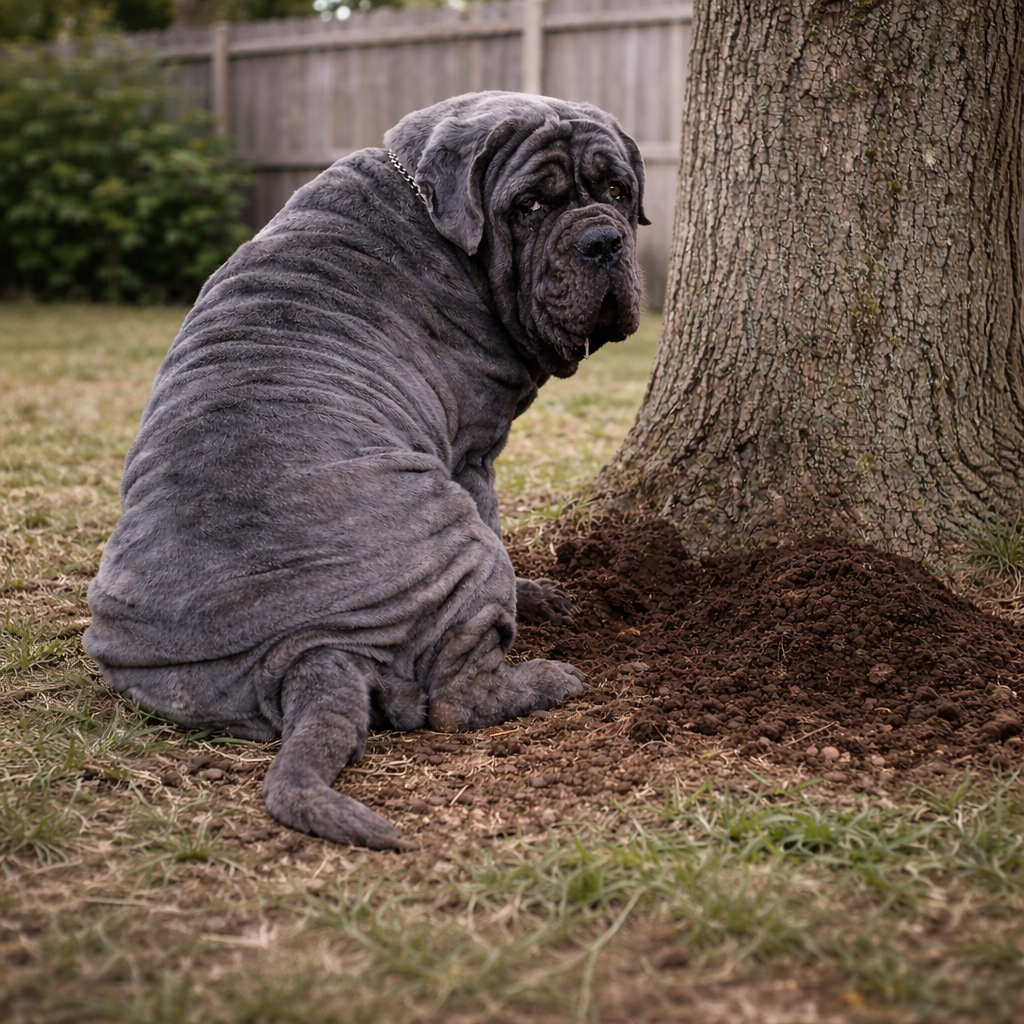
How Can I Stop My Dog from Digging?

Dogs dig for various reasons, including to cool off, hunt, nest, escape confinement, or out of boredom. It's essential to determine the reason for digging before inhibiting or preventing it, which could result in new behavior problems. Providing a cool resting area with shade and water, additional play and exercise, or a designated digging area can be helpful. For escape digging, housing the dog indoors is the most practical solution until they learn to stay outside without digging. Our Vets can assess your pet and work with you to develop a treatment plan, which may include medication or specific training.

Why Is My Dog Eating His Own Stools?

Stool eating, or copraphagia, can have medical or behavioural causes. The vet can check for medical issues like poor digestion, nutrient absorption, or parasites. Behavioral reasons may include puppies exploring, learned behaviour from the mother dog, or dogs attracted to faeces as they are to food. To correct this behaviour, prevent access to faeces, supervise when outside, interrupt with a firm command, and change the diet. Meat tenderisers may make the stool less palatable. "Wild Forage" and "Forbid" are products that may help in some cases.

Why Can’t My Dog Tolerate Loud Noise?

Certain breeds of dogs, like Labradors and Retrievers, are more prone to noise phobias. These phobias can be triggered by a wide range of sounds, from thunderstorms to hairdryers, and are difficult to resolve. Desensitisation and Counter-Conditioning are typically the recommended techniques, where dogs are gradually exposed to the noise and rewarded for remaining calm. If necessary, anxiety medication and DAP diffusers can also be prescribed by a veterinarian. For specific advice on your dog's noise phobia, please contact us at the clinic.

My Dog is So Attached, And Anxious. Why?

Dogs can display destructive behaviour when left alone, such as barking, urinating, defecating, and destroying furniture. Early socialisation and training are important to prevent this issue. Dogs should have at least 2 hours alone per day and be discouraged from dependent behaviors such as sleeping on the owner's bed. Enrichment toys and sufficient exercise can help prevent boredom. Delayed treatment can require medication and cognitive therapy. Contact us for further information or to find a local dog trainer.

We Accept Gap Only* & Pet Insurance:

Call us to bookBook Online Now