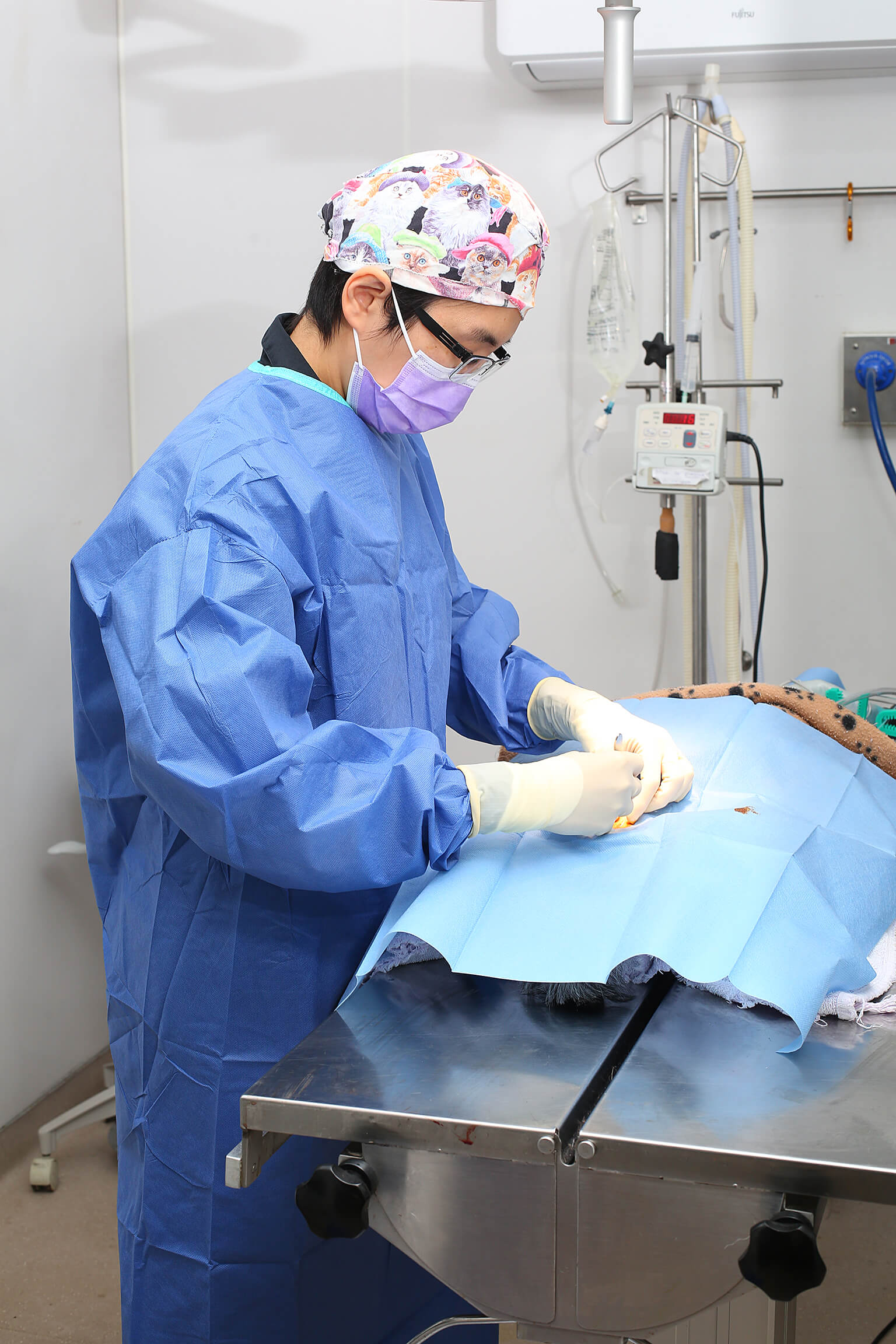
Veterinarian in a blue gown and cat-print surgical cap performing surgery on an animal covered with a blue sterile drape.

Why should your pet undergo desexing?

Desexing is a routine procedure that supports your pet’s long-term health, behaviour, and wellbeing. It also plays an important role in reducing the number of unwanted animals in the community.
  • Reduces roaming and escape behaviour, helping keep your pet safe at home
  • Lowers the risk of certain cancers and serious infections, including uterine infections in females and testicular disease in males
  • Helps minimise hormonally driven behaviours, such as marking, mounting, and aggression
  • Prevents unplanned pregnancies, avoiding the stress and cost of caring for unexpected litters
  • Supports responsible pet ownership, helping reduce the number of abandoned and stray animals

We Are Here to Help

Pain free procedure

Your pet will also receive pain relief before, during, and after the procedure.

Pre-surgery health check

We offers pre-anaesthetic blood testing (additional cost) before undergoing general anaesthetic.

We guide you through

Please read more on our pre-operative instructions page for clear guidance on how to prepare your pet for the procedure.

When to desex your pet?

Most pets are desexed from around 4–6 months of age, but the right timing can vary based on breed, size, and health. Our vets will guide you on what’s best for your pet.

After desexing, your pet goes home the same day with pain relief and clear aftercare instructions for a smooth recovery.

Frequently asked question on desexing your pet

At what age should I desex my pet?

We recommends desexing your young pet from 5 months of age, but they also offer desexing services for older pets if needed. Please speak to one of their nurses about desexing your pet.

Will my pet feel any pain during or after the procedure?

We provide pain relief during and after the procedure to ensure your pet is as comfortable as possible.

How long will my pet need to stay in the hospital after the procedure?

We hospitalise our patients overnight to ensure adequate recovery time and an examination by the veterinarian prior to discharge.

Will my pet gain weight after being desexed?

With proper diet control and exercise, your pet should not put on weight after being desexed.

Can desexing prevent behavioural problems?

If performed early in an animal's life, desexing can help prevent potential behavioural problems such as aggression, excessive urination, and spraying.


We Accept Gap Only* & Pet Insurance:

Call us to bookBook Online Now